Workholding specs can feel like horsepower ratings: bigger numbers look safer. But if you’re buying a zero-point system (especially pneumatic), you’ll often see something like:
- Holding force up to 55 kN
- Pull-in / locking force up to 17 kN
- Repeatable positioning around 0.005 mm
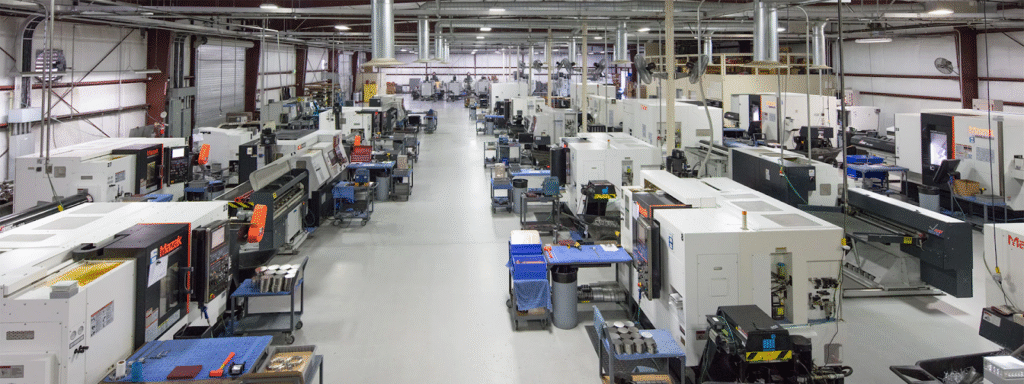
Those numbers (as typically listed on pneumatic zero-point chuck product pages) sound impressive—but what do they actually mean for your shop?
Let’s translate them into decisions you can make without a physics degree.
First: what “holding force” is (and isn’t)
Holding force is about one thing:hydraulic vise
How strongly the system resists movement once clamped.
It’s your safety margin when cutting forces, vibration, or leverage try to shift the plate/pallet/fixture.
What it isn’t:
- a promise that any setup will be stable
- a replacement for clean interfaces
- an indicator of accuracy by itself
You can have huge holding force and still have poor repeatability if the interface is dirty or abused.
The second number people forget: pull-in / locking force
Pull-in/locking force is about seating quality. It’s the force that draws the plate into the locating geometry and locks it there.
In real shop terms:
- pull-in helps you “snap into place” consistently
- holding force helps you “stay there” under cutting load
Both matter. They just matter at different moments.
When 55 kN really matters
You’ll actually feel the benefit of high holding force when:
1) You cut hard materials aggressively
Steel roughing, tough alloys, heavy engagement—anything that pushes the setup.
2) Your setup is tall
Tall fixtures, risers, towers, stacked plates: height increases leverage. Leverage increases the demand on the clamp interface.
3) You want more forgiveness
Not every shift is dramatic. Sometimes it’s small vibration movement that shows up as finish issues or tool wear. High holding force can reduce those “why is it chattering today?” surprises.
When it matters less than you think
There are plenty of jobs where you won’t see a difference between “very high” holding force and “high enough” holding force:
- light aluminum milling
- finishing passes with low cutting load
- jobs where the real bottleneck is setup time and scheduling, not stability
If your shop loses money because machines sit idle during changeovers, then repeatable plate swaps may be a bigger lever than maximum holding force.
The spec that often makes the biggest difference: repeatable positioning
Many pneumatic zero-point systems list repeatable positioning around 0.005 mm. That’s the number that enables:
- swapping tooling plates without re-indicating
- pausing a job and resuming later with confidence
- building a “fixture library” (plates on shelves, ready to run)
- reducing first-article friction on repeat orders
In other words: repeatability is what turns quick-change into a scheduling advantage, not just a convenience.
A fast decision framework (5th axis vise )
Use this to prioritize what matters for your purchase:
Prioritize holding force if…
- you rough hard materials frequently
- vibration is a recurring issue
- fixtures are tall or awkward
- you want stability margin for aggressive cycles
Prioritize repeatability and workflow if…
- you change plates often
- you run repeat SKUs
- you lose time re-indicating and re-validating
- your shop lives in high-mix scheduling chaos
You probably need both—but not in the same ratio.
One more reality check: specs don’t beat discipline
Even a high-force pneumatic system won’t perform if you treat the interface like a trash can. The quickest way to lose accuracy is:
- chips on the mating surface
- coolant film + debris
- damaged studs or locating features
- inconsistent handling and storage
The best systems perform best in shops with boring, consistent habits.
Wrap-up
Holding force is not “bragging rights.” It’s process insurance—especially for hard materials, tall setups, and aggressive cutting. But if your goal is speed and repeat scheduling, repeatable positioning and a clean plate workflow may deliver more day-to-day ROI than chasing the biggest kN number.