Understanding Vegan Leather Phone Cases and Their Growing Popularity
A vegan leather phone case is becoming a popular choice for consumers who want style, durability, and sustainability in one accessory. Unlike traditional leather made from animal hide, a vegan leather phone case is crafted from synthetic or plant-based materials designed to mimic the look and feel of real leather without using animal products. This shift reflects a broader movement toward ethical consumerism, where buyers are more conscious of environmental impact and animal welfare.
The rise of the vegan leather phone case trend is closely linked to improvements in material technology. Earlier synthetic leathers often lacked durability and aesthetic appeal, but modern versions are far more refined. They now offer textures, finishes, and resilience that rival conventional leather while maintaining a cruelty-free production process. As a result, consumers no longer have to compromise between ethics and style.
What Vegan Leather Is Made Of
To fully understand a vegan leather phone case, it is important to know what vegan leather actually consists of. Vegan leather is not a single material but a category of alternatives to animal leather. These include polyurethane (PU), polyvinyl chloride (PVC), and newer plant-based materials such as pineapple leather (Piñatex), apple leather, and mushroom leather (mycelium-based).
A PU-based vegan leather phone case is the most common type on the market. It is flexible, lightweight, and can be produced in various colors and textures. PVC alternatives are more rigid but highly durable. Meanwhile, plant-based versions are gaining attention for their lower environmental impact and biodegradability potential.
Each type of vegan leather phone case offers different benefits, but they all share the same core principle: avoiding animal-derived materials while maintaining a leather-like appearance and feel.
Benefits of Choosing a Vegan Leather Phone Case
One of the biggest advantages of a vegan leather phone case is its ethical production. No animals are harmed in the creation of the material, making it an ideal choice for vegans and environmentally conscious consumers. This ethical appeal is one of the strongest drivers behind its increasing demand.
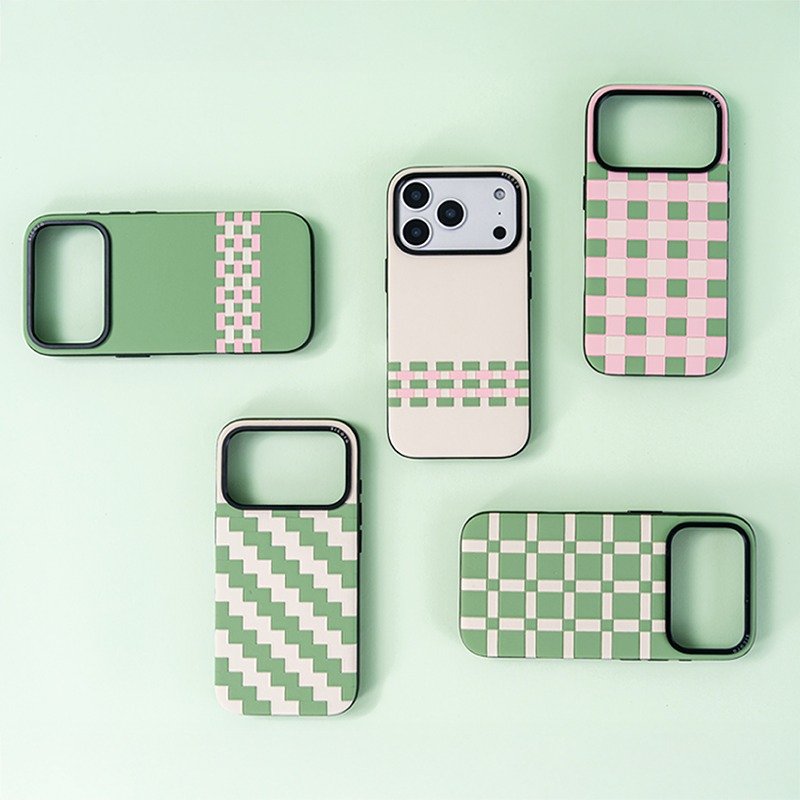
Another benefit is versatility in design. A vegan leather phone case can be manufactured in a wide range of colors, textures, and patterns. Unlike natural leather, which has limitations in dyeing and finishing, vegan alternatives allow for greater creative freedom. This means users can find cases that match their personal style more easily.
Durability is another important factor. A high-quality vegan leather phone case is resistant to scratches, minor impacts, and everyday wear and tear. Many versions also include additional protective layers to safeguard phones from drops and damage.
Finally, affordability makes the vegan leather phone case an attractive option. Compared to genuine leather products, vegan alternatives are generally more cost-effective while still offering a premium look.
Environmental Impact of Vegan Leather Phone Cases
Sustainability is a key reason why many consumers choose a vegan leather phone case. Traditional leather production involves livestock farming, which contributes significantly to greenhouse gas emissions, water consumption, and land use. In contrast, vegan leather production generally requires fewer natural resources.
However, not all vegan leather is equally sustainable. A PU-based vegan leather phone case is petroleum-derived, meaning it still relies on fossil fuels. While it avoids animal use, it is not fully biodegradable. On the other hand, plant-based alternatives like mushroom or cactus leather offer a more eco-friendly solution, as they are often renewable and have a smaller carbon footprint.
As awareness grows, manufacturers are investing more in sustainable materials to improve the environmental profile of the vegan leather phone case industry. This includes reducing chemical use and increasing recyclability.
Style and Design Options Available
The vegan leather phone case market offers an impressive variety of styles. Whether someone prefers a minimalist design or a luxury-inspired finish, there is a vegan leather phone case to match every preference.
Some popular styles include matte finishes for a modern look, textured grain patterns that resemble genuine leather, and glossy coatings for a more polished appearance. Many brands also combine vegan leather with other materials such as silicone or TPU to enhance protection while maintaining aesthetics.
Color options are virtually unlimited. A vegan leather phone case can be found in classic tones like black, brown, and tan, as well as bold colors such as red, blue, green, and pastel shades. This flexibility makes it easy for users to personalize their devices.
Durability and Maintenance Tips
A well-made vegan leather phone case can last a long time if properly maintained. Unlike real leather, vegan leather does not require conditioning oils or special treatments. Instead, it is relatively low maintenance.
To keep a vegan leather phone case in good condition, regular cleaning with a soft damp cloth is usually sufficient. Avoid harsh chemicals, as they can damage the surface coating. It is also advisable to keep the case away from excessive heat and direct sunlight for prolonged periods, as this may cause fading or cracking over time.
While a vegan leather phone case is generally resistant to everyday wear, it is not indestructible. Users should still handle their devices with care to ensure long-lasting protection.
Comparing Vegan Leather Phone Cases with Traditional Leather Cases
When comparing a vegan leather phone case with a traditional leather one, several differences stand out. Genuine leather offers a natural aging process, often developing a patina over time. Some users appreciate this unique characteristic, while others prefer the consistent look of a vegan leather phone case.
In terms of ethics, the vegan leather phone case clearly stands out due to its cruelty-free production. Environmentally, the comparison is more complex, as traditional leather has high resource demands, but some vegan alternatives still rely on synthetic plastics.
Price is another differentiating factor. A vegan leather phone case is usually more affordable, making it accessible to a broader audience without sacrificing style.
Choosing the Right Vegan Leather Phone Case
When selecting a vegan leather phone case, there are several factors to consider. First, check the material type. If sustainability is a priority, plant-based options are preferable. If durability and affordability matter more, PU-based cases may be a better choice.
Second, consider the level of protection needed. Some vegan leather phone case designs focus more on aesthetics, while others include reinforced edges and shock-absorbing layers for added safety.
Finally, style preference plays an important role. Since a vegan leather phone case is also a fashion accessory, choosing a design that matches personal taste and lifestyle is essential.
The Future of Vegan Leather Phone Cases
The future of the vegan leather phone case industry looks promising as innovation continues to evolve. Researchers are developing new bio-based materials that are stronger, more sustainable, and closer in performance to traditional leather. These advancements are expected to further reduce environmental impact while improving quality.
As consumer awareness increases, demand for cruelty-free and eco-friendly accessories will likely continue to grow. The vegan leather phone case is no longer just a niche product but part of a larger shift toward responsible consumption.
Final Thoughts
A vegan leather phone case offers a balance of style, ethics, and practicality. It provides a cruelty-free alternative to traditional leather while delivering durability and aesthetic appeal. With a wide range of materials, designs, and price points available, it has become a mainstream choice for modern smartphone users.
As technology and sustainability efforts advance, the vegan leather phone case will continue to evolve, offering even better performance and environmental benefits in the years ahead.