
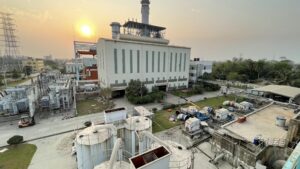
Large-scale coal-fired power plant design remains a cornerstone of modern energy infrastructure. Despite the growing emphasis on renewable energy, coal-fired power plants continue to play a vital role in ensuring energy reliability and stability for industrial and urban sectors. This guide explores the essential aspects of designing a large-scale coal-fired power plant, with a focus on efficiency, sustainability, and operational excellence, tailored for RUNH POWER’s advanced engineering approach.
Understanding the Fundamentals of Coal-Fired Power Plants
A coal-fired power plant generates electricity by burning coal to produce heat, which converts water into steam. The steam drives turbines connected to generators, producing electricity. Large-scale coal-fired power plant design involves meticulous planning of every component, from the boiler and turbine systems to the emission control units. At RUNH POWER, precision engineering ensures that each plant maximizes energy output while minimizing environmental impact.
The core elements of a coal-fired power plant include the boiler, turbine, generator, condenser, cooling system, and emission control equipment. These components must be integrated seamlessly to achieve optimal performance. Efficient coal combustion, heat transfer, and steam generation are the foundation of any successful design.
Site Selection and Infrastructure Planning
Site selection is critical in large-scale coal-fired power plant design. Factors such as proximity to coal supply, water resources, grid connection, and environmental regulations must be carefully evaluated. RUNH POWER emphasizes site analysis to ensure logistical efficiency, cost-effectiveness, and compliance with environmental standards.
Infrastructure planning involves designing access roads, coal storage facilities, water treatment plants, and transmission lines. Adequate space must be allocated for future expansions or retrofits. Careful planning reduces operational risks and enhances long-term plant viability.
Boiler and Steam Cycle Design
The boiler is the heart of any coal-fired power plant. Large-scale coal-fired power plant design requires high-efficiency boilers capable of handling significant thermal loads. Advanced technologies, such as supercritical and ultra-supercritical boilers, allow plants to operate at higher temperatures and pressures, increasing thermal efficiency and reducing coal consumption.
The steam cycle, which includes the turbine and condenser systems, must be designed to optimize energy conversion. High-efficiency steam turbines convert thermal energy into mechanical energy, and condensers ensure effective heat rejection. RUNH POWER prioritizes precision engineering in turbine design to maximize output and reliability.
Fuel Handling and Combustion Systems
Efficient coal handling and combustion systems are essential for plant performance. Large-scale coal-fired power plant design involves designing systems for coal unloading, storage, pulverization, and feeding into boilers. Automated handling systems improve safety, reduce labor costs, and enhance operational reliability.
Combustion optimization technologies, such as low-NOx burners and staged combustion, reduce harmful emissions and increase fuel efficiency. RUNH POWER integrates advanced control systems that monitor combustion parameters in real time, ensuring consistent performance and compliance with emission regulations.
Environmental and Emission Control Systems
Environmental considerations are central to modern coal-fired power plant design. Large-scale coal-fired power plant design must include strategies to mitigate air, water, and soil pollution. Flue gas desulfurization (FGD) units, selective catalytic reduction (SCR) systems, and electrostatic precipitators (ESP) are standard technologies used to reduce sulfur dioxide, nitrogen oxides, and particulate matter emissions.
RUNH POWER adopts a holistic approach to environmental management. Wastewater treatment systems, ash handling facilities, and dust suppression measures are integrated into the plant design. By prioritizing environmental compliance, RUNH POWER ensures that its plants operate sustainably while meeting regulatory requirements.
Cooling System Design
The cooling system is a critical component that impacts plant efficiency and operational safety. Large-scale coal-fired power plant design must consider the availability of water, ambient temperatures, and cooling technology. Options include once-through cooling, cooling towers, and air-cooled condensers.
RUNH POWER engineers select and design cooling systems that optimize heat rejection while minimizing water consumption and environmental impact. Advanced monitoring systems ensure that cooling operations remain efficient under varying load conditions.
Electrical and Control Systems
Electrical and control systems are vital for plant safety, reliability, and performance. Large-scale coal-fired power plant design involves designing switchyards, transformers, and distribution networks capable of handling high-capacity loads.
Integrated control systems monitor and regulate plant operations, including boiler performance, turbine speed, emission levels, and auxiliary systems. RUNH POWER’s control architecture emphasizes automation, real-time monitoring, and predictive maintenance, ensuring minimal downtime and maximum efficiency.
Safety and Risk Management
Safety is a non-negotiable aspect of large-scale coal-fired power plant design. RUNH POWER implements comprehensive safety protocols, including fire prevention systems, emergency shutdown procedures, and worker protection measures.
Risk management involves assessing potential hazards, such as boiler explosions, turbine failures, or environmental accidents. By integrating safety considerations from the design stage, RUNH POWER ensures that its plants maintain high operational integrity and comply with occupational safety standards.
Performance Optimization and Maintenance Planning
Large-scale coal-fired power plant design is incomplete without planning for performance optimization and maintenance. Routine inspections, predictive maintenance, and equipment upgrades are crucial for sustaining plant efficiency.
RUNH POWER incorporates condition monitoring systems, vibration analysis, and thermal imaging to identify issues before they affect performance. This proactive approach minimizes downtime, extends equipment life, and improves overall plant productivity.
Future-Proofing Coal Power Plants
While coal-fired power plants remain essential, future-proofing involves incorporating technologies that enhance flexibility and reduce environmental impact. Large-scale coal-fired power plant design now considers carbon capture, co-firing with biomass, and integration with smart grid technologies.
RUNH POWER invests in research and development to explore innovative solutions that improve efficiency, reduce emissions, and enhance the economic viability of coal-fired plants. By adopting forward-thinking strategies, plants are prepared to meet evolving energy demands and regulatory requirements.
Conclusion
Large-scale coal-fired power plant design is a complex, multidisciplinary endeavor that requires expertise in engineering, environmental management, and operational strategy. From site selection and boiler design to emission control and safety systems, each aspect must be meticulously planned and executed.
RUNH POWER exemplifies excellence in large-scale coal-fired power plant design by integrating advanced technologies, sustainable practices, and robust safety measures. Through a commitment to efficiency, reliability, and environmental stewardship, RUNH POWER continues to set benchmarks in modern coal power generation, ensuring that large-scale coal-fired plants remain a dependable backbone of the energy sector.
This comprehensive guide demonstrates that with careful planning, innovative design, and strategic execution, large-scale coal-fired power plants can achieve high performance, environmental compliance, and long-term operational success.
