In the modern workspace, screens dominate almost every aspect of our professional and personal lives. From writing emails to coding and designing, we rely heavily on monitors. Yet, with increased screen time comes a surge in complaints about eye strain, headaches, and even reduced productivity. Enter e-ink monitors, a technology that promises to revolutionize the way we interact with screens. But how do they truly compare to traditional monitors when it comes to eye comfort and efficiency? This article explores the differences, advantages, and limitations of e-ink monitors in comparison to traditional monitors.
Understanding E-ink Monitors
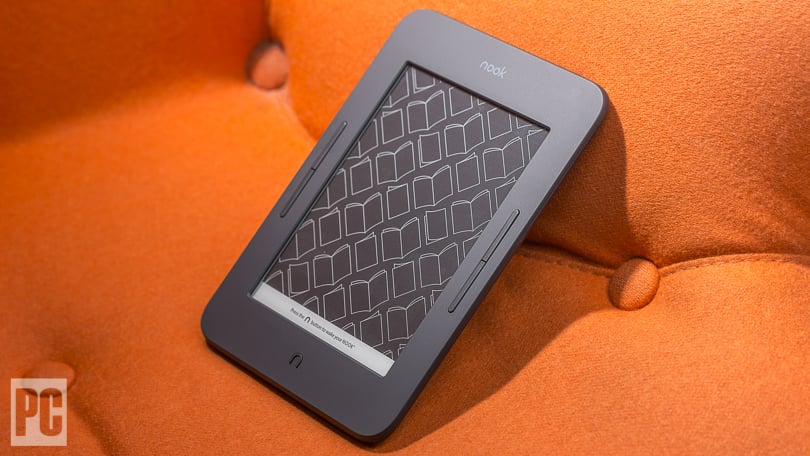
E-ink monitors are based on electronic ink technology, the same used in e-readers like the Kindle. Unlike traditional LCD or LED monitors, which emit light directly, e-ink screens use microcapsules filled with charged pigment particles that rearrange themselves to display text and images. This results in a display that reflects ambient light rather than generating its own, closely mimicking the experience of reading on paper.
One of the key advantages of e-ink monitors is their ability to reduce eye fatigue. Traditional monitors emit blue light, which can disrupt sleep patterns and strain the eyes after prolonged use. E-ink screens, on the other hand, produce negligible blue light and do not flicker, making them gentler on the eyes.
Eye Strain: E-ink Monitors vs Traditional Monitors
Eye strain, also known as digital eye strain or computer vision syndrome, is a common problem among people who spend hours in front of screens. Symptoms include dry eyes, blurred vision, headaches, and neck or shoulder pain. Traditional monitors contribute to eye strain in several ways: flickering screens, glare, high brightness, and prolonged exposure to blue light.
E-ink monitors provide a significant reduction in these issues. Because they mimic the appearance of ink on paper, they allow the eyes to focus naturally without the need to adjust constantly to backlighting. Users report fewer headaches, less fatigue, and the ability to read or write for extended periods without discomfort. This makes e-ink monitors ideal for tasks that involve heavy reading, editing, or coding.
However, it’s important to note that e-ink monitors are not perfect. They tend to have lower refresh rates compared to traditional monitors, making them less suitable for activities that require fast-moving visuals, such as video editing, gaming, or graphic design. Despite this limitation, for text-heavy work, they offer unparalleled eye comfort.
Productivity Implications of E-ink Monitors
Beyond eye strain, screen technology also affects productivity. Traditional monitors excel in versatility and performance. High refresh rates, vibrant colors, and support for complex multimedia tasks make them ideal for creative professionals and multitaskers. But this versatility comes at a cost: prolonged exposure can lead to burnout and reduced efficiency due to visual fatigue.
E-ink monitors, while limited in multimedia capabilities, can improve productivity in certain contexts. For writers, editors, and coders who spend long hours reading or drafting content, the reduced eye strain translates into longer periods of focused work. The simplicity of the display can also minimize distractions, as e-ink screens do not support flashy notifications or vivid videos that can divert attention.
Several studies suggest that environments that reduce visual stress and distractions can enhance concentration and cognitive performance. By providing a calm, paper-like interface, e-ink monitors can help users maintain mental focus and sustain productivity over extended periods.
Hybrid Work Setups: Best of Both Worlds
Many professionals are experimenting with hybrid setups that combine e-ink monitors and traditional monitors. For instance, an e-ink monitor can be used for reading, drafting, or reviewing documents, while a traditional monitor handles video calls, presentations, and design work. This approach leverages the strengths of both technologies, optimizing eye health and productivity.
Such hybrid setups are particularly useful in remote work scenarios, where employees spend most of their day in front of screens. By strategically alternating between e-ink and traditional monitors, users can reduce cumulative eye strain without sacrificing performance or workflow flexibility.
Limitations of E-ink Monitors
Despite their benefits, e-ink monitors do have limitations. Color representation is typically poor, and most e-ink displays are monochrome, which restricts their use for design, video, and data visualization. Refresh rates are slower, so scrolling or switching between tasks may feel laggy compared to traditional monitors.
Moreover, e-ink monitors tend to be more expensive and less widely available than traditional monitors. Integration into existing work setups can also pose challenges, particularly when high-resolution displays or multi-monitor arrangements are required.
Nonetheless, for users whose primary work involves reading, writing, and reviewing text, the advantages of reduced eye strain and prolonged focus outweigh these drawbacks.
Choosing Between E-ink and Traditional Monitors
Selecting the right monitor depends on individual needs and work habits. If eye health and long-term comfort are priorities, e-ink monitors are an excellent choice for text-heavy tasks. Professionals who work extensively with documents, reports, or code may find that an e-ink monitor allows them to work longer hours without the fatigue associated with traditional screens.
For multimedia creators, gamers, or those who require high-speed visuals and color accuracy, traditional monitors remain indispensable. In such cases, integrating occasional breaks and blue light filters can help mitigate eye strain.
The optimal approach for many users may be a combination of both technologies. By designating tasks according to monitor strengths, individuals can strike a balance between productivity, comfort, and versatility.
The Future of E-ink Monitors
E-ink technology continues to evolve, with improvements in refresh rates, color displays, and energy efficiency. Future e-ink monitors may bridge the gap between comfort and performance, making them suitable for a wider range of tasks. Additionally, as remote work and digital reading continue to rise, the demand for eye-friendly display solutions is expected to grow.
Investing in an e-ink monitor today can be seen as a proactive step toward long-term eye health and sustainable productivity. The technology offers a unique advantage that traditional monitors cannot fully replicate: a screen that respects the eyes while supporting focused, distraction-free work.
Conclusion
The comparison between e-ink monitors and traditional monitors highlights a trade-off between eye comfort and multimedia performance. Traditional monitors excel in versatility, speed, and color accuracy, but prolonged exposure can lead to significant eye strain and reduced productivity. E-ink monitors, by mimicking paper-like reading experiences and minimizing blue light emission, provide a healthier and more comfortable option for extended text-based work.
While e-ink monitors are not suited for every task, their benefits for eye health and sustained focus are compelling. For professionals seeking a balance between productivity and comfort, integrating e-ink monitors into their workflow—either as a primary or complementary screen—can transform the way they work, reduce fatigue, and ultimately enhance efficiency.
In the evolving landscape of workplace technology, e-ink monitors are carving out a niche where wellness meets productivity, proving that sometimes, simplicity truly is the ultimate sophistication.