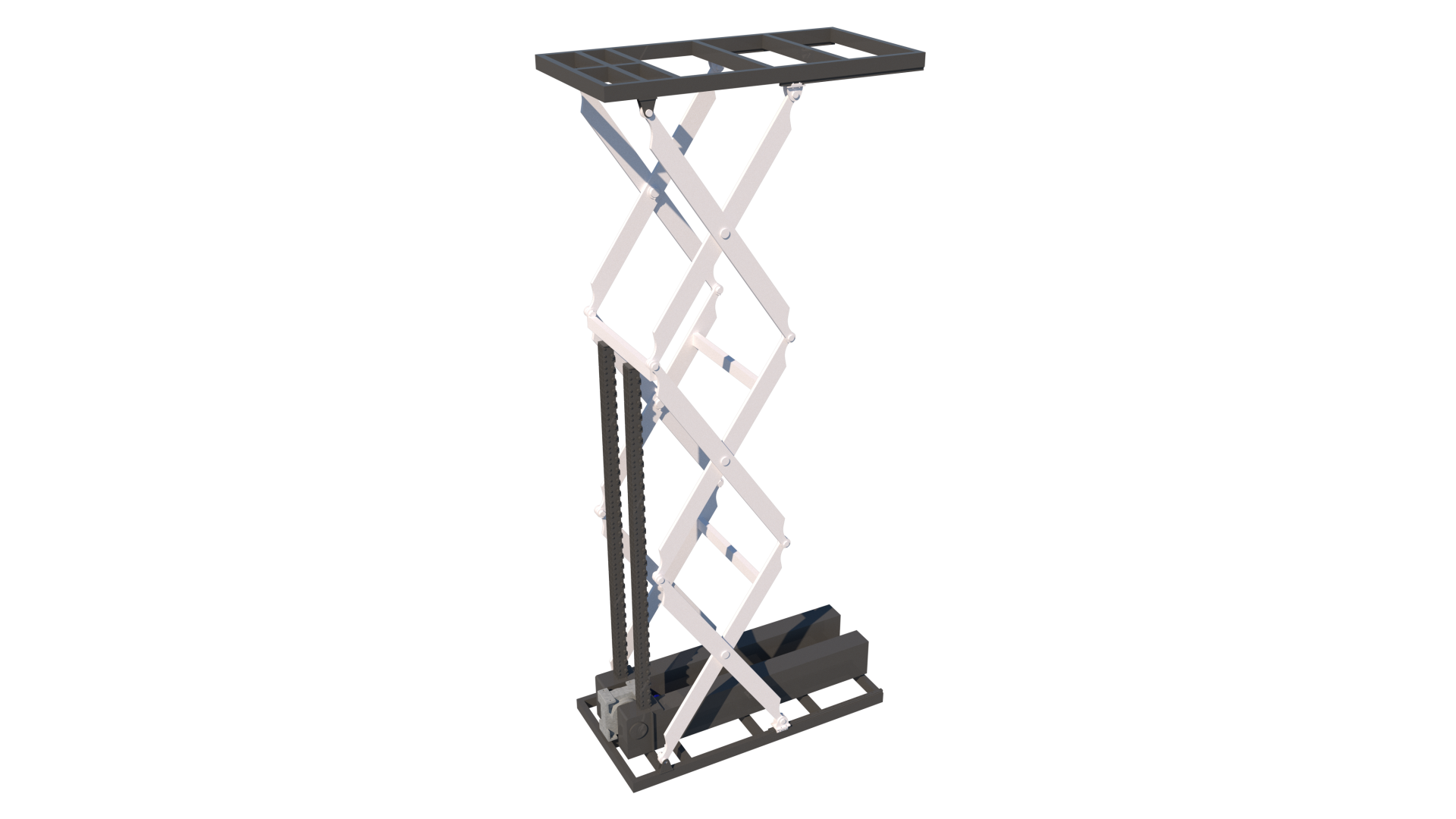
Material handling has entered a new era as industries adopt smarter, safer, and more efficient technologies. From warehouses and factories to logistics hubs and production facilities, businesses are rethinking how goods and equipment are moved vertically. At the center of this transformation are lifting platforms, which are rapidly evolving through technological innovation to meet modern operational demands.
The Changing Landscape of Material Handling
Traditional material handling relied heavily on manual labor, basic hoists, and forklifts. While effective in the past, these methods often resulted in inefficiencies, safety risks, and high labor costs. As industries scale and workflows become more complex, advanced lifting solutions are no longer optional.
Modern lifting platforms, commonly known in many industrial markets as 升降台, are now designed to do far more than simply lift loads. They are becoming intelligent systems that support automation, precision, and data-driven operations.
Smart Controls and Automation Integration
One of the most significant innovations in lifting platform technology is the integration of smart control systems. Modern platforms can be connected to programmable logic controllers (PLCs), sensors, and automated production lines.
This allows lifting platforms to operate in sync with conveyors, robotic arms, and assembly systems. A smart 升降台 can automatically position materials at the exact height required, reducing delays and eliminating manual adjustments. This level of automation improves consistency and minimizes human error.
Enhanced Safety Through Advanced Technology
Safety has always been a key focus in material handling, and new technologies are raising standards even further. Innovative lifting platforms now feature advanced load sensors, real-time monitoring, and automatic shutdown systems.
These features detect overloads, uneven weight distribution, or mechanical issues before they become dangerous. By using an intelligent 升降台, businesses can significantly reduce accidents and create safer working environments.
Energy-Efficient and Sustainable Designs
Energy efficiency is another area where lifting platform technology has advanced. New designs focus on reducing power consumption through efficient motors, optimized hydraulic systems, and regenerative energy features.
Electric lifting platforms, in particular, are becoming more popular due to their lower energy usage and reduced environmental impact. An energy-efficient 升降台 supports sustainability goals while lowering operational costs over time.
Precision and Customization for Complex Tasks
Modern material handling requires precision, especially in industries such as electronics, automotive, and pharmaceuticals. Innovations in lifting platform technology allow for smoother movement, finer height adjustments, and better stability.
Customizable lifting platforms can now be designed to meet specific load sizes, heights, and workflow requirements. A precision-engineered 升降台 ensures accurate positioning, which is critical for quality control and efficient production.
Data-Driven Maintenance and Monitoring
Predictive maintenance is transforming how equipment is managed. Many modern lifting platforms are equipped with sensors that collect data on usage, load cycles, and performance.
This data allows maintenance teams to identify wear and potential failures before they cause downtime. A data-enabled 升降台 supports proactive maintenance strategies, extending equipment lifespan and reducing unexpected breakdowns.
Improving Workflow Efficiency and Productivity
Innovative lifting platforms streamline workflows by reducing unnecessary movement and handling. Materials can be delivered exactly where and when they are needed, keeping operations running smoothly.
In high-volume environments, these efficiency gains translate into faster throughput and lower labor requirements. Businesses that adopt advanced 升降台 technology often see immediate improvements in productivity and operational control.
Supporting the Shift to Smart Factories
As industries move toward smart factories and Industry 4.0 principles, lifting platforms are becoming a foundational element of connected operations. Their ability to integrate with digital systems makes them essential for modern material handling.
A connected 升降台 supports real-time monitoring, automated decision-making, and flexible production layouts, helping businesses stay competitive in a rapidly evolving industrial landscape.
Conclusion
Innovations in 升降台 technology are transforming material handling by improving safety, efficiency, precision, and sustainability. From smart controls to data-driven maintenance, modern lifting platforms are far more than mechanical tools. For businesses seeking to optimize workflows and prepare for the future, investing in advanced lifting platform solutions is a strategic step toward long-term success.