
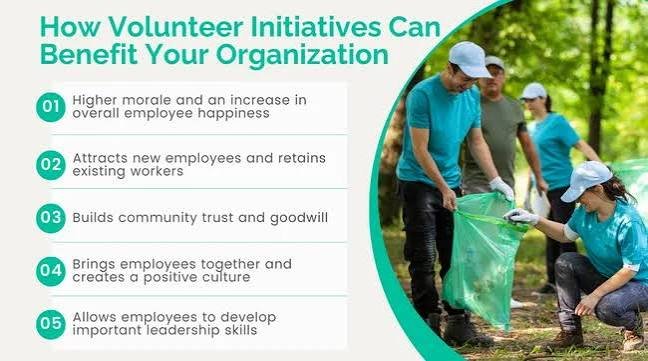
Community-focused organizations play an important role in creating stronger, healthier, and more connected communities. Whether they are nonprofit groups, local associations, charities, educational institutions, or socially responsible businesses, these organizations can bring people together around shared goals. Their work often Zeal TN, Inc goes beyond providing services because they help individuals recognize their ability to contribute to meaningful change. By understanding local needs, encouraging participation, and creating practical solutions, community-focused organizations can inspire positive social change that benefits people for years to come.
Understanding the Needs of the Community
Positive social change begins with understanding what a community actually needs. Organizations should take time to listen to residents, families, students, local leaders, and other stakeholders. Instead of making assumptions, they can use surveys, community meetings, interviews, and public discussions to identify important concerns.
Every community has different challenges. Some may need better educational opportunities, while others may focus on environmental protection, employment, healthcare awareness, youth development, or support for vulnerable groups. Understanding these priorities allows organizations to develop programs that are relevant and useful.
When people feel that their concerns are being heard, they are more likely to trust an organization and participate in its activities. This trust creates a strong foundation for long-term community improvement.
Encouraging People to Get Involved
Community change becomes more powerful when local people participate. Organizations can inspire involvement by creating volunteer opportunities, workshops, awareness programs, fundraising activities, and community events.
Participation gives individuals a sense of ownership. Instead of simply receiving support, community members become active contributors to solutions. Young people, in particular, can develop leadership, teamwork, communication, and problem-solving skills when they participate in community projects.
Organizations can also recognize volunteers and celebrate their contributions. Simple appreciation can motivate people to remain involved and encourage others to participate.
Building Strong Partnerships
No single organization can solve every community challenge alone. Partnerships allow organizations to combine knowledge, skills, resources, and networks. Community-focused organizations can work with schools, businesses, government agencies, charities, healthcare providers, and local groups to increase the reach of their initiatives.
For example, an organization focused on youth development could partner with schools to provide educational workshops while working with businesses to create career opportunities. These partnerships can make programs more effective and sustainable.
Collaboration also helps prevent duplicated efforts. When organizations communicate and coordinate their activities, they can focus resources where they are needed most.
Creating Awareness Through Strong Communication
Communication is one of the most important tools for inspiring social change. Organizations need to explain their goals clearly and show people why an issue matters. Effective communication can take place through community events, newsletters, websites, social media, educational materials, and local campaigns.
Messages should be simple, positive, and focused on action. Instead of only discussing problems, organizations can show people what they can do to help. Sharing real community stories can also make campaigns more relatable and encourage people to become involved.
This approach explains how organizations can make a positive impact in the community by turning awareness into participation and participation into measurable action.
Supporting Education and Skill Development
Education can create lasting social change because it gives people knowledge and practical skills. Community-focused organizations can organize training sessions, mentoring programs, seminars, literacy initiatives, and career-development activities.
Skill development can help individuals become more confident and independent. For example, technology training can help people access educational and employment opportunities, while leadership programs can prepare young people to take active roles in their communities.
Education also helps people understand important social issues. When individuals have accurate information, they can make better decisions and become more responsible community members.
Empowering Young People
Young people have an important role in shaping the future of their communities. Organizations can encourage positive social change by creating opportunities for young people to express ideas, lead projects, volunteer, and develop new skills.
Youth-focused initiatives can include environmental campaigns, community cleanups, educational programs, sports activities, creative projects, and leadership workshops. Giving young people meaningful responsibilities can help them develop confidence and a stronger connection to their community.
When young people see that their ideas can produce real results, they are more likely to continue contributing as they grow older.
Promoting Inclusion and Equal Participation
A strong community should provide opportunities for people from different backgrounds to participate. Organizations can promote inclusion by ensuring that programs are accessible and welcoming to everyone.
This may involve providing accessible facilities, using clear communication, considering different community needs, and creating opportunities for underrepresented groups to share their perspectives.
Inclusive organizations can bring together people with different experiences and ideas. This diversity can improve decision-making and lead to creative solutions to community challenges.
Taking Action on Environmental Issues
Community-focused organizations can also inspire positive change through environmental initiatives. Activities such as tree planting, recycling drives, community cleanups, water conservation campaigns, and environmental education can encourage people to take responsibility for their surroundings.
Small actions can create significant results when many people participate. Environmental programs can also teach children and adults how everyday choices affect the community and future generations.
By connecting environmental responsibility with community participation, organizations can create habits that continue beyond individual campaigns.
Measuring and Improving Community Impact
Successful organizations should regularly evaluate their work. Measuring results helps them understand whether their programs are achieving their intended goals.
Organizations can track participation levels, volunteer hours, educational outcomes, community feedback, and other relevant indicators. They can also ask participants what worked well and what could be improved.
Evaluation should not simply be about proving success. It should help organizations learn and adapt. If a program is not producing the expected results, leaders can make changes based on evidence and community feedback.
Leading by Example
Organizations can inspire social change most effectively when they demonstrate the values they promote. If an organization encourages environmental responsibility, it should follow sustainable practices. If it promotes inclusion, its own activities should reflect that principle.
Leading by example builds credibility. People are more likely to support an organization when they can see that its actions match its message.
Consistency also helps build long-term trust. Organizations that remain committed to their communities, even when challenges arise, can become reliable sources of support and inspiration.
Creating Lasting Social Change
Positive social change rarely happens overnight. It requires patience, cooperation, education, and continued effort. Community-focused organizations can make a lasting difference by listening to people, building partnerships, encouraging participation, supporting education, empowering young people, and measuring their progress.
The most successful organizations understand that meaningful change is not simply about completing a single project. It is about helping communities develop the confidence, knowledge, and resources needed to continue improving themselves.
Ultimately, how organizations can make a positive impact in the community depends on their ability to connect people with opportunities to create solutions. When organizations work alongside community members rather than simply working for them, they can build stronger relationships and encourage shared responsibility. Through consistent action and genuine community engagement, these organizations can inspire individuals to participate, strengthen local connections, and contribute to positive social change that lasts for generations.
