Starting beekeeping can be an exciting way to learn about honey bees, nature, pollination, and the production of honey. However, beginners often discover that successful beekeeping requires more than Stephen Gleave Ancaster simply purchasing a hive and adding bees. Understanding the basic equipment, what each item does, and how to use it properly can make hive management more organized and enjoyable.
Whether you are planning to keep one hive in your backyard or eventually expand into several colonies, becoming familiar with essential beekeeping equipment is an important first step.
The Beehive
The beehive is the central structure where a honey bee colony lives. Modern beekeepers commonly use hive designs that consist of several removable components. These parts allow the beekeeper to inspect the colony, manage its health, and collect honey when appropriate.
A typical hive includes a bottom board, hive boxes, frames, an inner cover, and an outer cover. Hive boxes provide space for the bees to build comb and raise brood or store food. Different box sizes can be used depending on the beekeeper’s preferred hive system.
The hive should be placed on a stable surface in a suitable location. Good drainage, access to flowers, protection from extreme weather, and enough space for routine inspections are important considerations.
Frames and Foundation
Frames fit inside hive boxes and provide a structured area where bees can build comb. They are usually made from wood or another suitable material and can be removed individually for inspection.
Many beginners use frames with foundation. Foundation is a sheet or starter structure that encourages bees to build their wax comb in an organized pattern. Some beekeepers use wax foundation, while others prefer plastic foundation or foundationless frames.
Frames make it easier to examine brood patterns, food stores, and other aspects of colony development without dismantling the entire hive.
The Beekeeping Veil and Protective Clothing
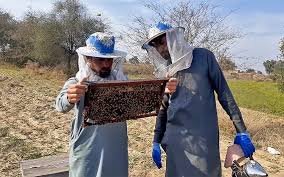
Protective clothing is one of the most important categories of beekeeping equipment. A veil protects the face and neck while allowing the beekeeper to see clearly during hive inspections.
Beginners may also choose a beekeeping jacket or full suit. Gloves can provide additional protection for the hands, although some experienced beekeepers eventually work with less hand protection depending on their experience and circumstances.
Protective equipment should fit comfortably and allow enough freedom of movement. Loose-fitting clothing can also help reduce the chance of bees reaching exposed skin.
The Hive Tool
A hive tool is a small but essential piece of equipment. It is used for separating hive components, lifting frames, scraping excess wax, and removing propolis.
Honey bees naturally use propolis to seal gaps and secure parts of the hive. As a result, hive components can become firmly attached. A hive tool provides the leverage needed to separate them during an inspection.
Because it is used frequently, beginners should keep their hive tool clean and readily accessible whenever working with a colony.
The Smoker
A smoker is another classic piece of beekeeping equipment. It produces cool smoke that can help make hive inspections more manageable. When used appropriately, smoke can interrupt the bees’ defensive response and encourage them to move away from areas where the beekeeper is working.
A smoker generally consists of a metal container, a bellows, and a spout. Natural materials such as dry plant material or other suitable smoker fuel can be used to produce smoke.
Beginners should learn proper smoker technique rather than relying on excessive smoke. The goal is controlled use that helps maintain a calm working environment.
The Bee Brush
A bee brush is designed to gently move bees from frames or other surfaces. It can be useful when a beekeeper needs to inspect a particular section of a frame or prepare honey frames for further handling.
The brush should be used gently. Rough or repeated brushing can disturb bees, so beginners should focus on slow, careful movements.
Some beekeepers prefer other methods of moving bees depending on the situation, but a bee brush remains a useful item to keep available.
Feeders
Bee feeders can provide food when natural forage is limited or when a colony requires additional support under appropriate beekeeping practices. Different feeder designs are available, including entrance feeders, frame feeders, and top feeders.
The appropriate feeder depends on the hive design, season, local conditions, and the beekeeper’s management approach.
Beginners should understand that feeding is not automatically necessary for every colony. Honey bees normally collect nectar and pollen from flowering plants, so feeding decisions should be based on the colony’s circumstances and guidance from experienced local beekeepers.
Honey Extractor
A honey extractor is equipment used to remove honey from honeycomb while preserving the comb for future use. Extractors use centrifugal force to spin honey out of the cells.
Small manual extractors can be suitable for hobby beekeepers with only a few colonies, while larger electric models may be useful for people managing many hives.
A beginner does not necessarily need to purchase an extractor immediately. Local beekeeping clubs or associations sometimes provide shared equipment, making it possible to learn the extraction process before investing in specialized machinery.
Uncapping Tools
Before honey can be extracted, the wax caps covering mature honey cells generally need to be removed. Uncapping knives and uncapping forks are common tools for this job.
An uncapping knife can remove a layer of wax from a large section of comb, while an uncapping fork can help remove caps from uneven areas. Some electric knives are also available for larger-scale operations.
Keeping these tools clean is particularly important because they come into direct contact with honey and comb.
Honey Strainer and Storage Containers
After extraction, honey may contain small pieces of wax or other debris. A suitable honey strainer or filtering system can help remove unwanted particles before the honey is stored.
Food-safe containers are essential for storing harvested honey. Glass jars and appropriate food-grade plastic containers are commonly used.
Cleanliness is extremely important during honey handling. Equipment should be properly cleaned and stored so that the finished product remains suitable for consumption.
Queen Marking and Inspection Equipment
The queen is central to colony reproduction, so beginners should learn how to identify her during inspections. Some beekeepers use queen-marking equipment to make the queen easier to recognize.
A queen catcher or marking tube can be used by experienced beekeepers when appropriate. However, beginners should first learn basic queen identification and handling techniques from a knowledgeable mentor.
A good inspection routine also involves observing brood patterns, food stores, colony temperament, and signs of pests or disease.
Record-Keeping Supplies
Not every important piece of beekeeping equipment is used inside the hive. A notebook, inspection sheet, or digital record system can be extremely valuable.
Beekeepers can record inspection dates, colony strength, queen observations, feeding activities, weather conditions, and other relevant details. Keeping records helps identify changes over time and makes hive management more systematic.
Choosing Equipment as a Beginner
New beekeepers do not need to purchase every available tool. A practical starter setup usually focuses on essential protective clothing, a hive and frames, a hive tool, a smoker, and basic inspection supplies.
As experience grows, additional equipment can be purchased according to actual needs. Buying everything at once can be expensive, especially before a beginner understands which tools are most useful for their particular beekeeping system.
It is also important to choose equipment that is compatible with the hive design being used. Standardization can make inspections, maintenance, and expansion easier.
Conclusion
Understanding beekeeping equipment is an important part of becoming a responsible beekeeper. From the hive and frames to protective clothing, smokers, hive tools, feeders, and honey-processing equipment, each item has a specific role in managing a colony.
Beginners should focus on learning how equipment works rather than simply collecting tools. Proper training, careful observation, good hygiene, and regular record-keeping are equally important. With the right equipment and a willingness to learn, new beekeepers can develop practical skills while gaining a deeper appreciation for honey bees and their important role in the environment.