
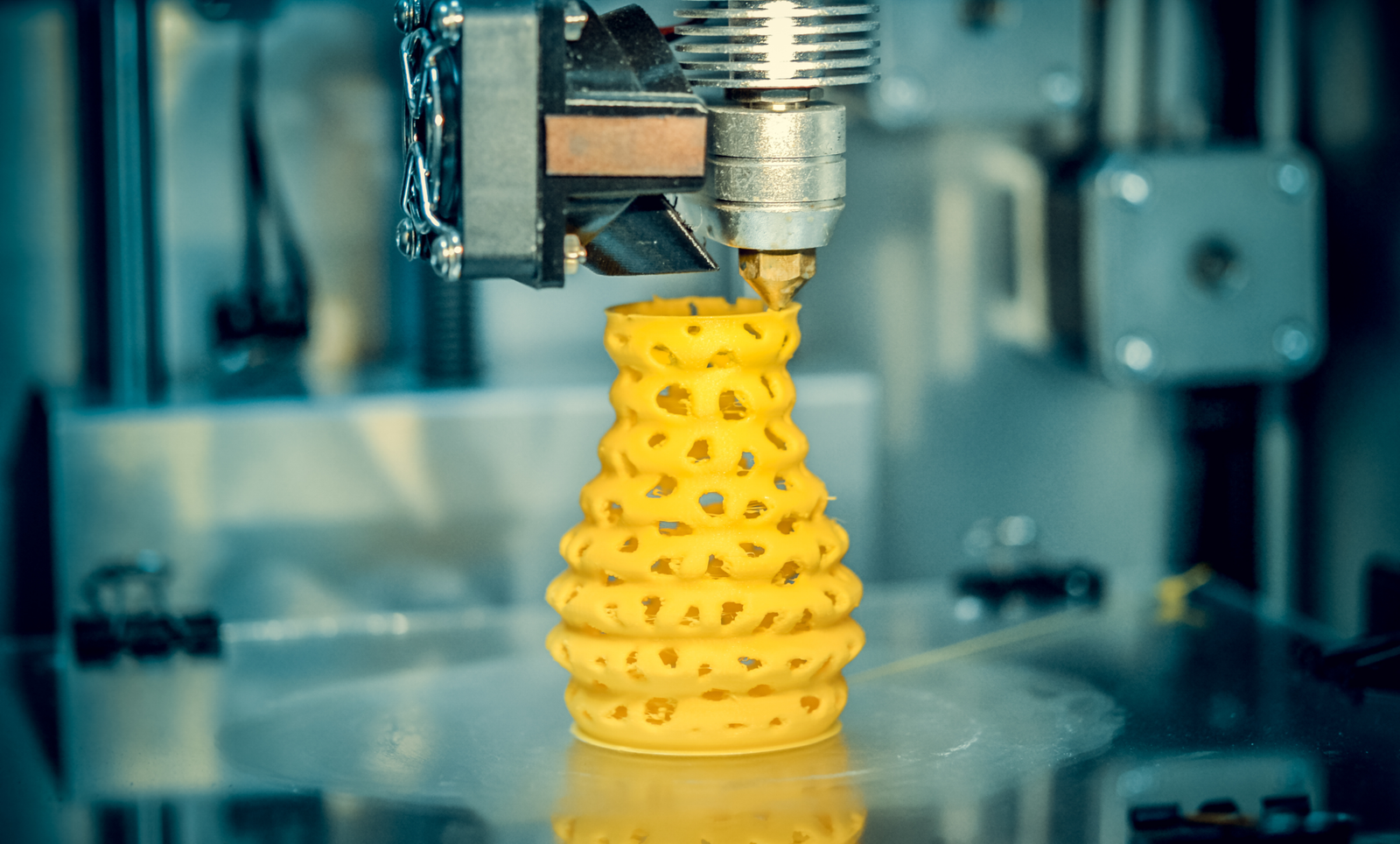
Prototyping is an essential stage in modern product development. Before a product reaches mass production, businesses need to create physical samples, test designs, identify problems, and make China Rapid Prototyping Solution improvements. A reliable prototype can reduce development risks, save costs, and help companies bring products to market faster. For these reasons, many businesses are turning to a China Rapid Prototyping Solution to meet their prototyping requirements.
China has developed a strong manufacturing industry supported by advanced machinery, skilled engineers, efficient supply chains, and competitive production capabilities. These advantages make Chinese prototyping providers attractive to startups, established manufacturers, product designers, and international companies. From simple plastic parts to complex metal components, businesses can access a wide range of prototyping services through Chinese manufacturers.
Cost-Effective Prototyping
One of the main reasons businesses choose China for prototyping is cost efficiency. Developing prototypes can become expensive when companies need multiple design versions or several rounds of testing. Chinese manufacturers can often provide competitive pricing because of established supply chains, manufacturing infrastructure, and large production capacity.
Lower prototyping costs allow businesses to test more ideas without significantly increasing their development budgets. Startups and small businesses can particularly benefit because they may have limited resources during the early stages of product development.
A China Rapid Prototyping Solution can also provide value when a project requires several prototypes. Instead of spending a large amount on a single sample, companies can produce multiple versions and compare their performance before selecting the final design.
Fast Production and Shorter Development Cycles
Speed is another important factor in product development. Delays during prototyping can affect testing, marketing plans, product launches, and production schedules. Chinese prototyping companies often have access to advanced equipment that supports fast production.
CNC machining, 3D printing, vacuum casting, injection molding, and other manufacturing methods can be used to create prototypes according to project requirements. Efficient production processes allow businesses to receive samples quickly and move to the next development stage.
Faster prototyping also makes it easier to perform design iterations. If a prototype reveals a problem, engineers can modify the design and create another version without unnecessarily extending the development timeline.
Access to Advanced Manufacturing Technology
Modern prototypes often require high levels of precision and complex manufacturing techniques. China has invested heavily in advanced manufacturing technologies, including CNC machining, additive manufacturing, laser cutting, injection molding, and precision finishing.
This technological capability enables businesses to develop prototypes with detailed features and accurate dimensions. Manufacturers can work with different materials, including aluminum, stainless steel, engineering plastics, and other specialized materials.
Advanced equipment is particularly useful for industries such as automotive, electronics, medical devices, consumer products, aerospace, and industrial equipment. Businesses can select manufacturing processes based on the design, material, quantity, and performance requirements of their prototypes.
High Precision and Quality Control
A prototype needs to accurately represent the intended final product. If dimensions or material properties are incorrect, testing results may not provide useful information. Professional Chinese manufacturers generally use precision machinery and inspection processes to maintain product consistency.
Quality control can include dimensional inspection, material verification, surface inspection, and functional testing. Depending on the project, businesses can also request specific tolerances and finishing requirements.
Working with an experienced supplier can therefore help companies obtain prototypes that are suitable for engineering evaluation and product testing. Clear technical drawings, 3D models, material specifications, and quality requirements can further improve the final results.
Wide Range of Materials and Processes
Another advantage of choosing a Chinese prototyping provider is the variety of available materials and production methods. Different products require different physical and mechanical properties, so having access to multiple options can make the development process easier.
For example, CNC machining can be suitable for strong and precise metal prototypes, while 3D printing can be useful for quickly producing complex plastic models. Vacuum casting can help companies create small batches of parts with properties similar to injection-molded products.
Businesses can discuss their design requirements with manufacturers and select an appropriate process. This flexibility is especially valuable when a project moves through several development stages.
Easy Design Modifications and Iteration
Product development rarely follows a completely straight path. Testing may reveal that a component needs a different shape, stronger material, improved assembly, or better functionality. A good prototyping partner should be able to support these changes.
Chinese prototyping manufacturers can produce revised samples based on updated CAD files and technical drawings. This allows businesses to evaluate different designs before committing to expensive tooling or large-scale production.
The ability to make frequent design changes can improve the final product and reduce the risk of manufacturing a design that has not been properly tested.
Support for Different Order Volumes
Businesses have different prototyping requirements. A startup may need only a few samples, while an established company may require dozens or hundreds of prototypes for testing, demonstrations, or pre-production evaluation.
Chinese manufacturers can often accommodate different order quantities and production requirements. This makes them suitable for both early-stage product development and larger pre-production projects.
As a product moves from prototype to mass production, working with a manufacturer that offers scalable production capabilities can also simplify supplier management.
Strong Manufacturing Supply Chains
China has a large and well-developed manufacturing ecosystem. Suppliers for metals, plastics, electronics, tooling, packaging, finishing, and other components are widely available. This interconnected supply chain can make it easier to source materials and coordinate different production processes.
For businesses developing complex products, access to multiple manufacturing resources can reduce the difficulty of managing individual suppliers for every component. A capable prototyping company may coordinate machining, finishing, assembly, and other services under one project.
Better Support for Product Testing
Prototypes are created primarily for learning and testing. Businesses need to understand how a product looks, fits, functions, and performs before final production.
A professionally manufactured prototype can provide valuable information about assembly, ergonomics, dimensions, material selection, and functionality. Companies can use this information to make informed design decisions.
By combining rapid production with repeated testing, businesses can identify weaknesses earlier in the development process. This can reduce expensive changes after tooling and mass production have already begun.
Suitable for Global Businesses
Chinese prototyping companies serve customers from many different countries and industries. Many manufacturers are experienced in working with international technical specifications, CAD files, quality standards, packaging requirements, and shipping arrangements.
Online communication also makes collaboration easier. Businesses can share 3D models, drawings, photographs, specifications, and feedback electronically. Manufacturers can then prepare quotations and production plans based on the supplied information.
For international companies, selecting a reliable supplier with strong communication and quality management is essential. Businesses should evaluate previous work, production capabilities, inspection procedures, lead times, and customer support before choosing a partner.
Choosing the Right Prototyping Partner
Although China offers many manufacturing opportunities, not every supplier will provide the same level of quality or service. Businesses should carefully evaluate potential manufacturers before starting a project.
Important factors include manufacturing equipment, technical expertise, material options, quality control systems, production capacity, communication, pricing, and delivery times. It is also helpful to request samples or examples of previous projects when possible.
Clear communication is equally important. Providing accurate CAD files, drawings, material specifications, tolerances, surface finishing requirements, and testing expectations can help prevent misunderstandings.
Conclusion
A China Rapid Prototyping Solution can provide businesses with a combination of cost efficiency, production speed, advanced manufacturing technology, precision, material flexibility, and scalable production capabilities. These advantages make China an attractive destination for companies seeking reliable prototypes during product development.
By choosing the right manufacturing partner, businesses can produce prototypes quickly, test designs effectively, make improvements, and reduce the risks associated with mass production. Whether developing a new consumer product, industrial component, electronic device, or automotive part, professional prototyping can provide the practical foundation needed to turn an idea into a successful finished product.
