Cooling technology plays an important role in electronics, medical equipment, industrial systems, automotive applications, and many other modern Thermoelectric Module technologies. As devices become smaller and more powerful, there is a growing need for compact and reliable cooling solutions. A Thermoelectric Module offers an efficient way to control temperature without relying on traditional compressors, refrigerants, or moving mechanical parts. These solid-state devices are widely valued for their compact design, precise temperature control, and dependable operation.
What Is a Thermoelectric Module?
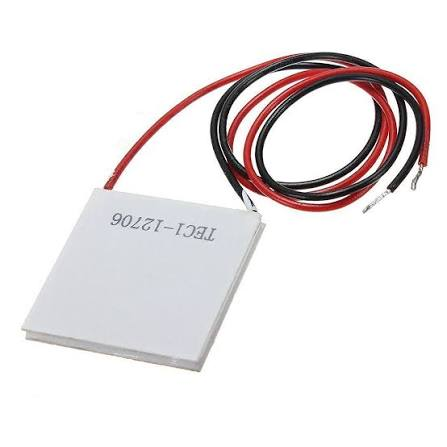
A Thermoelectric Module is a solid-state cooling device that uses the thermoelectric effect to transfer heat from one surface to another. It is commonly made with semiconductor materials arranged between two ceramic plates. When direct current passes through the module, heat is absorbed on one side and released on the opposite side.
The cooling side becomes colder while the hot side becomes warmer. By controlling the direction and amount of electrical current, users can regulate the cooling effect and, in some applications, reverse the process to produce heating.
Unlike conventional cooling systems, thermoelectric devices do not require compressors, pumps, or refrigerant gases. Their simple construction makes them suitable for applications where space, reliability, and accurate temperature management are important.
How Does a Thermoelectric Module Work?
The operation of a Thermoelectric Module is based on the Peltier effect. When electrical current flows through two different semiconductor materials, heat moves from one side of the device toward the other. This creates a temperature difference between the cold and hot surfaces.
A typical module contains multiple semiconductor couples connected electrically in series and thermally in parallel. Ceramic plates provide insulation, mechanical support, and a surface for transferring heat.
The cooling process can be summarized in three basic stages:
- Electrical current enters the thermoelectric module.
- One surface absorbs heat and becomes cold.
- The opposite surface releases the absorbed heat and becomes hot.
For efficient operation, the heat generated on the hot side must be removed effectively. A heat sink, fan, liquid cooling system, or another thermal management solution may be used depending on the application.
Key Components of a Thermoelectric Module
Several components work together to create a reliable thermoelectric cooling system. Semiconductor pellets are among the most important parts because they provide the thermoelectric effect. These materials are generally based on specialized semiconductor compounds designed for efficient heat transfer.
Ceramic plates are positioned on both sides of the module. They provide electrical insulation while allowing heat to move through the device. Metallic conductors connect the semiconductor elements and provide pathways for electrical current.
Thermal interface materials may also be used between the module and external heat sinks or cooled surfaces. These materials help reduce thermal resistance and improve heat transfer.
Benefits of Thermoelectric Cooling
One of the biggest advantages of thermoelectric cooling is its compact size. A Thermoelectric Module can provide cooling in applications where conventional refrigeration equipment would be too large or complicated.
Another important benefit is precise temperature control. By adjusting the electrical current, the cooling performance can be controlled according to system requirements. This makes thermoelectric technology useful for sensitive electronics and laboratory equipment.
Thermoelectric systems also have no moving mechanical parts. This reduces mechanical wear and can contribute to long-term reliability when the module is operated within its recommended electrical and thermal limits.
Another advantage is flexibility. The same technology can be used for cooling or heating simply by changing the direction of electrical current. This makes thermoelectric solutions useful for temperature stabilization as well as active cooling.
Applications of Thermoelectric Modules
Thermoelectric modules are used across many industries. Electronics is one major application area, particularly where individual components need localized temperature control. Laser systems, sensors, cameras, and communication equipment can benefit from stable operating temperatures.
Medical and laboratory equipment can also use thermoelectric cooling. Small refrigerators, sample storage systems, analytical instruments, and temperature-controlled devices may incorporate thermoelectric technology.
In consumer products, thermoelectric systems can be found in compact cooling boxes, beverage coolers, personal cooling devices, and specialized temperature-control products.
Industrial applications include process control, optical equipment, measurement instruments, and environmental testing systems. Automotive and transportation technologies can also use thermoelectric devices for seat temperature control and other specialized thermal management functions.
Factors That Affect Cooling Efficiency
The performance of a Thermoelectric Module depends on several factors. Electrical input is one of the most important. Increasing current can increase heat pumping up to a certain point, but excessive current also produces additional heat within the module. Therefore, operating conditions must remain within the manufacturer’s recommended limits.
Hot-side temperature is another critical factor. If heat cannot escape efficiently, the hot side becomes increasingly warm, reducing the temperature difference that the module can maintain. An appropriately sized heat sink or cooling system is therefore essential.
Thermal contact between the module and the surfaces it serves is also important. Uneven surfaces, poor mounting pressure, or insufficient thermal interface material can increase thermal resistance and reduce performance.
Ambient temperature, module size, heat load, voltage, current, and system insulation can all influence the final cooling results.
How to Improve Thermoelectric Cooling Efficiency
Efficient thermal management starts with proper heat removal. The hot side should be connected to a heat sink or cooling system capable of handling the total thermal load. Forced-air cooling may be sufficient for smaller systems, while liquid cooling can be useful for higher heat loads.
Good insulation around the cold side can also improve efficiency. Insulation helps prevent unwanted heat from entering the cooled area, allowing the module to concentrate its cooling capacity on the intended load.
Selecting the correct module is equally important. Engineers should consider the required cooling capacity, temperature difference, available electrical power, dimensions, and operating environment before choosing a product.
Proper mounting is another key factor. The module should have good thermal contact with both the hot and cold surfaces. Excessive mechanical pressure should be avoided because it can damage the ceramic plates or internal structure.
Thermoelectric Module vs. Traditional Cooling
Traditional refrigeration systems commonly use compressors, refrigerants, condensers, and evaporators. These systems can provide substantial cooling capacity but may require more space and mechanical components.
A Thermoelectric Module provides a simpler solid-state alternative for applications requiring compact and precise temperature control. It can operate quietly because there are no compressors or refrigerant circulation systems within the module itself.
However, thermoelectric cooling is not automatically more efficient for every application. For large-scale cooling requirements, conventional refrigeration may provide better overall energy efficiency. Thermoelectric technology is often most attractive when compactness, precision, reliability, and localized temperature control are more important than maximum cooling capacity.
Choosing the Right Thermoelectric Module
When selecting a Thermoelectric Module, start by determining the amount of heat that must be removed. The required temperature difference should also be calculated because cooling performance changes according to the temperature conditions.
Electrical specifications such as voltage and current must match the available power supply and control system. Physical dimensions are also important when the module needs to fit into a compact assembly.
The quality of thermal management should be considered at the same time as the module itself. A high-performance module cannot deliver its full potential if the hot-side heat sink is inadequate.
Working with reliable manufacturers and reviewing technical specifications, performance curves, recommended operating conditions, and testing information can help ensure the selected module matches the application.
Future of Thermoelectric Cooling Technology
The demand for compact thermal management continues to grow as electronics, sensors, medical devices, and advanced industrial systems become increasingly sophisticated. Improvements in semiconductor materials, manufacturing methods, thermal interfaces, and system controls may further improve thermoelectric performance.
Future systems may combine thermoelectric modules with intelligent sensors and automated control systems. Such combinations could provide more accurate temperature regulation while optimizing energy consumption according to changing operating conditions.
Conclusion
A Thermoelectric Module provides a practical and flexible solution for applications requiring compact, reliable, and precise temperature control. Its solid-state design, lack of moving parts, reversible operation, and controllable cooling performance make it useful across electronics, medical equipment, laboratories, consumer products, and industrial systems.
For the best results, the module should be selected according to the required heat load, temperature difference, electrical conditions, and physical space. Proper heat removal, insulation, mounting, and thermal interface management are equally important. When these factors are carefully considered, thermoelectric cooling can provide dependable temperature management for a wide range of modern applications.