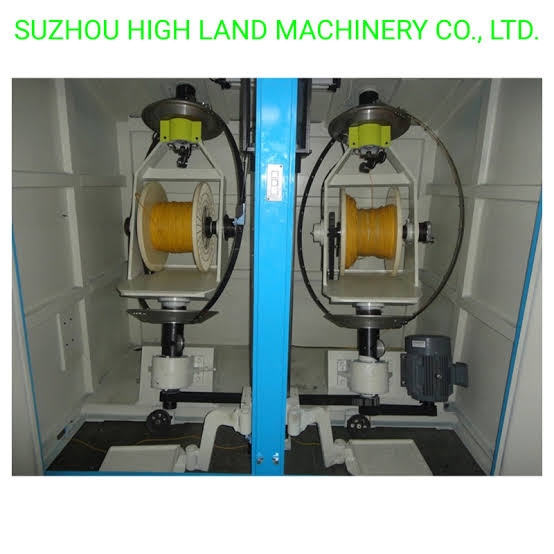
A Vertical Pair Twisting Machine is an important piece of equipment used in wire and cable manufacturing for efficiently twisting two wires together to create a uniform and reliable pair. Wire twisting is essential in many electrical and Vertical Pair Twisting Machine communication applications because it can improve signal performance, mechanical stability, and resistance to external interference. With modern manufacturing requirements demanding higher productivity and consistent quality, advanced twisting machines have become an essential part of professional wire-processing operations.
The vertical design provides an efficient arrangement for handling wires while maintaining controlled tension and twisting accuracy. This guide explains how a Vertical Pair Twisting Machine works, its main features, benefits, applications, and important factors to consider when selecting one.
What Is a Vertical Pair Twisting Machine?
A Vertical Pair Twisting Machine is specialized equipment designed to twist two individual wires around each other at a controlled speed and pitch. Unlike horizontal twisting systems, the machine uses a vertical configuration that can provide an organized production layout and efficient material handling.
The machine typically consists of wire pay-off units, tension-control mechanisms, twisting components, a drive system, and a take-up section. During operation, two wires are fed into the machine, properly aligned, and twisted together according to the required specifications.
How Does a Vertical Pair Twisting Machine Work?
The operation begins with two separate wire strands supplied from individual pay-off reels. Each wire passes through a controlled feeding and tensioning system to ensure that both strands move consistently.
The wires then enter the twisting section, where the machine rotates or guides them around each other. The twisting speed and wire-feed speed determine the final twist pitch. After twisting, the completed wire pair is collected onto a take-up reel for further processing.
Modern machines may use electronic controls to regulate production speed, tension, twist length, and other operating parameters. This helps manufacturers maintain consistent results throughout long production runs.
Key Features of a Vertical Pair Twisting Machine
Precise Tension Control
Maintaining consistent wire tension is essential for producing high-quality twisted pairs. Advanced tension-control systems help prevent loose sections, excessive twisting, or uneven wire alignment.
Adjustable Twisting Parameters
Many machines allow operators to adjust twisting speed and pitch according to the wire type and application. This flexibility makes the equipment suitable for different production requirements.
High Production Efficiency
Automated feeding, twisting, and take-up systems can reduce manual intervention and increase production output. Manufacturers can process large quantities of wire while maintaining consistent quality.
User-Friendly Controls
Modern equipment may include digital control panels that make it easier to monitor and adjust machine parameters. Operators can quickly set production conditions and observe machine performance.
Strong Machine Construction
Industrial twisting machines are generally built with durable components designed to withstand continuous operation. A robust structure can help reduce vibration and improve operational stability.
Benefits of Using a Vertical Pair Twisting Machine
Improved Wire Quality
Controlled twisting produces uniform wire pairs with consistent pitch. This is especially important for applications where electrical performance and mechanical reliability are critical.
Increased Productivity
Automated twisting allows manufacturers to process wires faster than many manual or basic production methods. Higher production efficiency can help reduce manufacturing time.
Consistent Twist Pitch
A controlled twisting system helps maintain a consistent distance between twists. Uniformity is important when producing wires for communication, electronic, and electrical applications.
Reduced Material Waste
Accurate tension and feeding systems can minimize common production problems such as uneven twisting, wire overlap, and unnecessary material loss.
Flexible Production
Depending on the machine configuration, manufacturers can process different wire sizes and materials. Adjustable operating parameters make the equipment suitable for various production environments.
Applications of Vertical Pair Twisting Machines
Communication Cables
Twisted wire pairs are widely used in communication cable production. Proper twisting can help improve resistance to electromagnetic interference and support reliable signal transmission.
Electrical Cables
Manufacturers can use twisted wire structures in various electrical cable applications where controlled wire arrangement and mechanical stability are required.
Automotive Wiring
Automotive wiring systems require reliable and consistently manufactured cable assemblies. Twisted wire production equipment can support the manufacturing of specialized wiring components.
Electronic Cables
Electronic devices and equipment often require compact and accurately manufactured cable assemblies. Twisting machines can help produce wire pairs suitable for these applications.
Industrial Wiring
Industrial machinery and automation systems use many types of cables and wiring solutions. Efficient wire twisting equipment can support large-scale cable production for these environments.
Factors to Consider When Choosing a Vertical Pair Twisting Machine
Wire Size Compatibility
Before purchasing equipment, manufacturers should check the machine’s supported wire diameter and material range. The machine should match the specifications of the wires being processed.
Production Speed
Production requirements vary between manufacturers. Selecting a machine with an appropriate operating speed can help balance productivity and product quality.
Twist Pitch Range
Different applications may require different twist pitches. A machine with adjustable pitch settings provides greater production flexibility.
Tension Control
Reliable tension control is one of the most important factors in achieving consistent twisted-pair quality. Manufacturers should evaluate the available tension-control technology before making a purchase.
Automation Level
Companies should consider whether they need basic operation or advanced automation. Automated systems can provide easier parameter management and improved production monitoring.
Maintenance Requirements
Easy access to important components can simplify routine maintenance. Choosing a machine with readily available replacement parts can also help reduce downtime.
Maintenance Tips for Better Performance
Regular maintenance is essential for keeping a Vertical Pair Twisting Machine operating efficiently. Operators should inspect wire guides, bearings, tension components, drive systems, and take-up mechanisms regularly.
Moving components should be lubricated according to the manufacturer’s recommendations. Electrical connections and control systems should also be inspected periodically. Keeping the machine clean can prevent dust and wire debris from affecting sensitive components.
Operators should also monitor unusual vibration, noise, or changes in twisting quality. Identifying problems early can prevent more serious equipment failures and production interruptions.
Why Vertical Configuration Can Be Advantageous
The vertical arrangement can provide an organized machine layout and efficient use of production-floor space. Depending on the machine design, it can also simplify certain material-handling processes and provide convenient access to production components.
For manufacturers working with limited floor space or requiring a dedicated wire-twisting line, a vertical configuration can be a practical solution. The final choice should depend on production requirements, available space, wire specifications, and desired automation.
Conclusion
A Vertical Pair Twisting Machine provides an efficient and reliable solution for producing high-quality twisted wire pairs. With controlled tension, adjustable twisting parameters, automated feeding, and consistent production performance, this equipment can support a wide range of electrical, communication, automotive, electronic, and industrial cable applications.
When selecting a machine, manufacturers should consider wire compatibility, production speed, twist pitch, tension control, automation, maintenance requirements, and overall machine reliability. Choosing the right equipment can improve productivity, reduce material waste, and maintain consistent product quality throughout the manufacturing process.