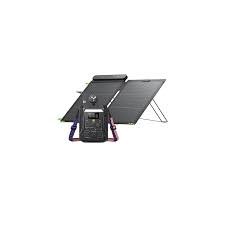
A 300W portable power station is a compact energy solution designed to provide electricity when access to a traditional wall outlet is limited or unavailable. Whether you are camping outdoors, traveling, working remotely, preparing for short power interruptions, or simply looking for a convenient backup power source, a 300W 300W portable power station unit can offer a useful combination of portability, capacity, and versatility.
Unlike traditional generators that typically use fuel and produce exhaust, portable power stations store electricity in an internal battery and deliver power through different output ports. Their quiet operation and compact design make them suitable for many everyday situations. Understanding how these devices work and what they can power can help you choose and use one more effectively.
What Is a 300W Portable Power Station?
A 300W portable power station is a rechargeable battery-powered device capable of supplying up to approximately 300 watts of continuous power, depending on the specific model. Many units also have a higher short-term surge rating, allowing them to handle appliances that require extra power when starting.
Most portable power stations include an inverter that converts stored battery energy into AC electricity. They may also provide USB-A, USB-C, and DC outputs for smaller electronics and mobile devices.
The actual battery capacity is usually measured in watt-hours (Wh), while the output capability is measured in watts (W). For example, a power station might have a 300W inverter combined with a battery capacity of several hundred watt-hours.
Why Choose a 300W Portable Power Station?
One of the biggest advantages of this power range is its balance between portability and performance. Smaller power banks may only support phones and small electronics, while larger power stations can become heavy and difficult to transport.
A 300W model sits between these categories. It can often handle several everyday electronics while remaining relatively easy to carry.
Common benefits include:
- Portable and convenient design
- Rechargeable battery operation
- Quiet performance
- Multiple charging and output options
- Useful for outdoor activities
- Helpful during short power outages
- Suitable for remote work and travel
- No gasoline storage required
These features make a 300W portable power station useful for people who want backup electricity without carrying a large traditional generator.
What Can a 300W Portable Power Station Run?
The devices you can operate depend on their individual wattage requirements and the power station’s continuous and peak output ratings.
A 300W unit may be suitable for electronics such as:
- Smartphones
- Tablets
- Laptops
- Cameras
- LED lights
- Wi-Fi routers
- Small fans
- Portable speakers
- Small monitors
- Certain low-power televisions
- Small electronic accessories
USB-powered equipment is particularly convenient because it may not require the AC inverter at all.
However, appliances with heating elements or powerful motors can require considerably more electricity. Examples include large hair dryers, electric kettles, space heaters, microwaves, and many coffee makers. These appliances may exceed the output capabilities of a 300W power station.
Always check the appliance’s rated wattage before connecting it.
Understanding Battery Capacity
When comparing portable power stations, wattage is only part of the equation. Battery capacity is equally important.
Watt-hours indicate how much energy the battery can store. A higher Wh rating generally means the power station can operate a device for longer, assuming the device’s power consumption remains the same.
For example, if an electronic device consumes approximately 50 watts, a battery with a theoretical capacity of 300Wh could provide several hours of operation. Real-world runtime will be lower because energy is lost through the inverter and other components.
A simple estimate is:
Runtime ≈ Battery Capacity (Wh) ÷ Device Power (W)
Actual performance varies depending on efficiency, battery condition, temperature, and the number of devices connected.
Charging a 300W Portable Power Station
Modern portable power stations can often be recharged in several ways. The most common method is an AC wall outlet, which is convenient when electricity is available.
Many models also support charging through a vehicle’s 12V outlet. This can be useful during road trips and camping because the vehicle can recharge the battery while traveling.
Some portable power stations are also compatible with solar panels. Solar charging provides a convenient way to replenish the battery outdoors, particularly when traditional electricity is unavailable.
Charging speed depends on the power station, charger, solar panel, and environmental conditions. Users should follow the manufacturer’s charging requirements to maintain battery performance and safety.
Portable Power for Camping and Travel
A 300W portable power station can be especially useful for camping. Instead of relying entirely on a vehicle or disposable batteries, campers can use stored electricity for lighting, phones, cameras, and other small electronics.
For road trips, the power station can provide another charging option for laptops, tablets, and communication devices. Its compact design can also make it easier to transport than a conventional fuel generator.
Because it does not normally produce exhaust while operating, a battery power station can be convenient for outdoor use. However, it should still be operated according to the manufacturer’s instructions and protected from unsuitable environmental conditions such as excessive moisture.
Backup Power During Short Outages
A 300W portable power station can also serve as a small emergency backup system. During a short electricity interruption, it may keep important low-power electronics running.
For example, it could potentially power a Wi-Fi router, phone charger, LED lamp, or laptop. This can be particularly useful for maintaining communication and internet access during temporary outages.
It is important to understand that a 300W power station is generally not designed to replace a whole-home backup generator. Large appliances and high-power heating or cooling equipment normally require substantially more output.
Features to Consider Before Buying
When selecting a 300W portable power station, look beyond the advertised wattage. Several specifications can affect how useful the device will be.
Battery Capacity
Compare the Wh rating to your expected usage. A larger capacity can provide longer runtime but may also increase size and weight.
Output Ports
Look for a useful combination of AC outlets, USB-A, USB-C, and DC ports. Multiple ports allow you to charge or operate several compatible devices.
Inverter Rating
Check both continuous output and surge output. Some appliances need additional power when they initially start.
Recharge Time
A fast-charging system can be valuable if you need to replenish the battery quickly between uses.
Solar Compatibility
If you plan to use the unit outdoors or during extended outages, solar charging may be an important feature.
Display and Controls
A clear display showing battery percentage, input power, output power, and operating status makes the device easier to monitor.
Weight and Size
If portability is your main priority, compare dimensions and weight carefully. A powerful device is less useful if it is difficult to transport.
Safety and Proper Use
Portable power stations should always be used according to the manufacturer’s instructions. Keep the unit in a suitable, ventilated location and avoid exposing it to water unless the manufacturer specifically states that it is designed for such conditions.
Do not connect devices that exceed the station’s rated output. Also, use compatible charging equipment and inspect cables and connectors regularly.
Proper storage is important as well. Extreme temperatures and prolonged improper storage can affect battery performance. Follow the manufacturer’s recommendations for storage temperature, charging level, and maintenance.
Is a 300W Portable Power Station Right for You?
A 300W portable power station can be a practical choice for users who need portable electricity for small and medium-sized electronics. It offers more capability than a basic power bank while remaining more compact than many high-capacity power stations.
It is particularly useful for camping, road trips, remote work, photography, small electronics, and short power interruptions. However, users should calculate their actual power requirements before buying to ensure the unit can handle their intended devices.
Conclusion
A 300W portable power station provides a convenient way to access stored electricity without relying on a traditional fuel-powered generator. With rechargeable batteries, multiple output options, and potential solar compatibility, it can support a wide range of everyday electronics.
The key is to evaluate both wattage and battery capacity. Understanding what your devices consume, how long you need them to operate, and how you plan to recharge the power station will help you select a suitable model. For lightweight backup power and outdoor electricity needs, a 300W portable power station can be a versatile and convenient solution.