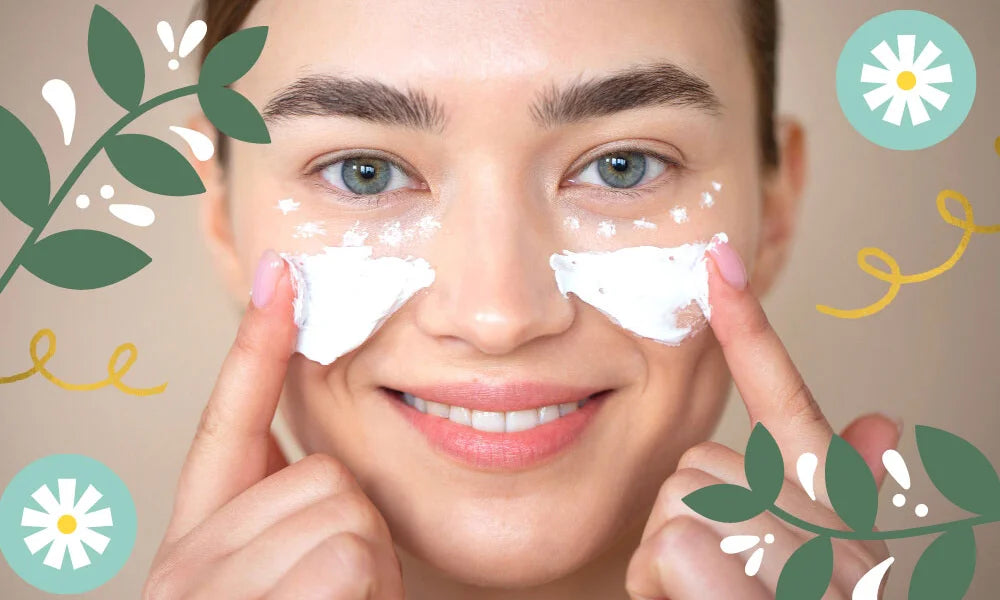
Walking down the skincare aisle or browsing online can feel overwhelming when every jar promises to turn back the clock. With thousands of formulas competing for your attention, finding an effective anti-aging cream requires looking past the flashy marketing claims and focusing on what actually works beneath the surface of your skin.
Skin aging is a natural process driven by a gradual decline in collagen, elastin, and hyaluronic acid, alongside environmental stressors like UV radiation and pollution. While no topical product can completely halt time, the right anti-aging cream can significantly improve skin texture, soften the appearance of fine lines, and restore lost firmness. Understanding your skin’s unique needs and knowing which active ingredients to look for will help you invest in a product that delivers real, visible results.
Understand Your Primary Skin Concerns
Before looking at ingredient lists, identify the specific signs of aging you want to target. Different formulations address different structural changes in the skin, so narrowing down your goals is the first step toward a smarter purchase.
Fine Lines and Wrinkles
Expression lines around the eyes and mouth, as well as deeper forehead creases, usually stem from repetitive facial movements and a breakdown of structural proteins. If this is your main focus, you need a formula that accelerates cellular turnover and stimulates fresh collagen production.
Loss of Firmness and Elasticity
As elastin fibers weaken over time, skin can begin to feel slack or less resilient, particularly along the jawline and cheeks. Firming formulas focus on rebuilding the skin’s support matrix and improving overall density.
Uneven Tone and Dullness
Sun exposure and slower cell renewal often leave mature skin looking dull, rough, or marked by dark spots. Brightening and resurfacing ingredients help clear away dead surface cells to reveal smoother, more radiant skin underneath.
Dryness and Dehydration
Aging skin naturally produces less sebum and holds onto less moisture, which can make fine lines look much deeper than they actually are. Sometimes, what looks like premature aging is simply chronic dehydration that requires intense barrier support.
Match the Formula to Your Skin Type
Even the most potent anti-aging cream will backfire if it clashes with your skin type. A rich, heavy ointment might rescue dry skin while triggering breakouts on oily skin, whereas a lightweight gel might leave dry skin feeling tight and flaky.
- Dry or Mature Skin: Look for rich, emollient creams containing ceramides, shea butter, squalane, and fatty acids. These ingredients lock in moisture and reinforce a compromised skin barrier.
- Oily or Acne-Prone Skin: Opt for oil-free, non-comedogenic lotions or gel-creams. Lightweight hydrators like hyaluronic acid and niacinamide provide anti-aging benefits without clogging pores or leaving a greasy residue.
- Sensitive or Reactive Skin: Avoid heavy fragrances, essential oils, and overly aggressive acids. Gentle, soothing formulas built around peptides, bakuchiol, and centella asiatica deliver firming results without redness or irritation.
- Combination Skin: Choose a balanced, medium-weight lotion that hydrates dry cheeks while absorbing cleanly across an oilier T-zone.
Key Ingredients That Actually Deliver Results
The difference between a basic moisturizer and a high-performing anti-aging cream comes down to its active ingredients. Dermatologists consistently recommend a core group of scientifically backed compounds proven to smooth and firm the skin.
Retinoids (Retinol, Retinaldehyde, and Adapalene)
Derived from vitamin A, retinoids are widely considered the gold standard in anti-aging skincare. They work by speeding up cell turnover, unclogging pores, and signaling your skin to produce more collagen. If you are new to retinoids, start with a low concentration of over-the-counter retinol two or three nights a week to minimize dryness and peeling as your skin builds tolerance.
Peptides
Peptides are short chains of amino acids that act as building blocks for proteins like collagen and elastin. When applied topically, signal peptides send messages to your skin cells to repair damage and boost firmness. They are exceptionally well-tolerated, making them an ideal choice for people who cannot use retinol or want an extra firming boost in their daytime routine.
Hyaluronic Acid
This powerful humectant acts like a moisture magnet, capable of holding up to a thousand times its weight in water. By drawing hydration into the upper layers of the skin, hyaluronic acid instantly plumps up fine lines and creates a smoother, suppler surface. Look for formulas that combine multiple molecular weights of hyaluronic acid to hydrate both the surface and deeper layers of the epidermis.
Vitamin C (L-Ascorbic Acid and Derivatives)
Vitamin C is a potent antioxidant that neutralizes free radicals generated by UV rays and pollution before they can break down your collagen. It also plays a direct role in collagen synthesis and inhibits excess melanin production, helping to fade age spots and brighten dull complexions.
Niacinamide (Vitamin B3)
Niacinamide is a versatile multitasker that strengthens the skin barrier, improves elasticity, reduces redness, and minimizes the appearance of enlarged pores. Because it plays well with almost every other active ingredient, it is frequently paired with retinol or peptides to boost results while keeping irritation at bay.
Alpha Hydroxy Acids (AHAs)
Ingredients like glycolic acid and lactic acid gently dissolve the bonds holding dead, dull skin cells to the surface. Regular use smooths rough texture, softens shallow wrinkles, and allows other active ingredients in your anti-aging cream to penetrate more effectively.
Evaluate Packaging and Formulation Stability
Active ingredients like retinol and vitamin C are notoriously unstable; exposure to air, light, and heat causes them to oxidize and lose their effectiveness long before you finish the product. Pay close attention to how a cream is packaged. Airless pump bottles, opaque tubes, and dark glass jars protect delicate formulas from degradation. Clear jars with wide-mouth lids not only expose antioxidants to light and oxygen every time you open them, but also introduce bacteria from your fingers into the cream.
How to Introduce a New Cream Into Your Routine
Once you have selected the right anti-aging cream, how you apply it matters just as much as what is inside the bottle. Introduce only one new active product at a time so you can easily identify how your skin responds. Perform a small patch test along your jawline or behind your ear for a few days before applying it to your entire face.
Apply your cream to slightly damp skin after cleansing to lock in extra hydration, unless you are using a strong retinoid—which absorbs more gently on completely dry skin. Most importantly, pair your routine with a broad-spectrum sunscreen of SPF 30 or higher every morning. UV exposure is the single biggest driver of premature collagen loss, and without daily sun protection, even the best anti-aging cream will struggle to keep your skin smooth and firm. Consistency over several weeks and months is what ultimately transforms your complexion, so choose a formula you enjoy using every single day.