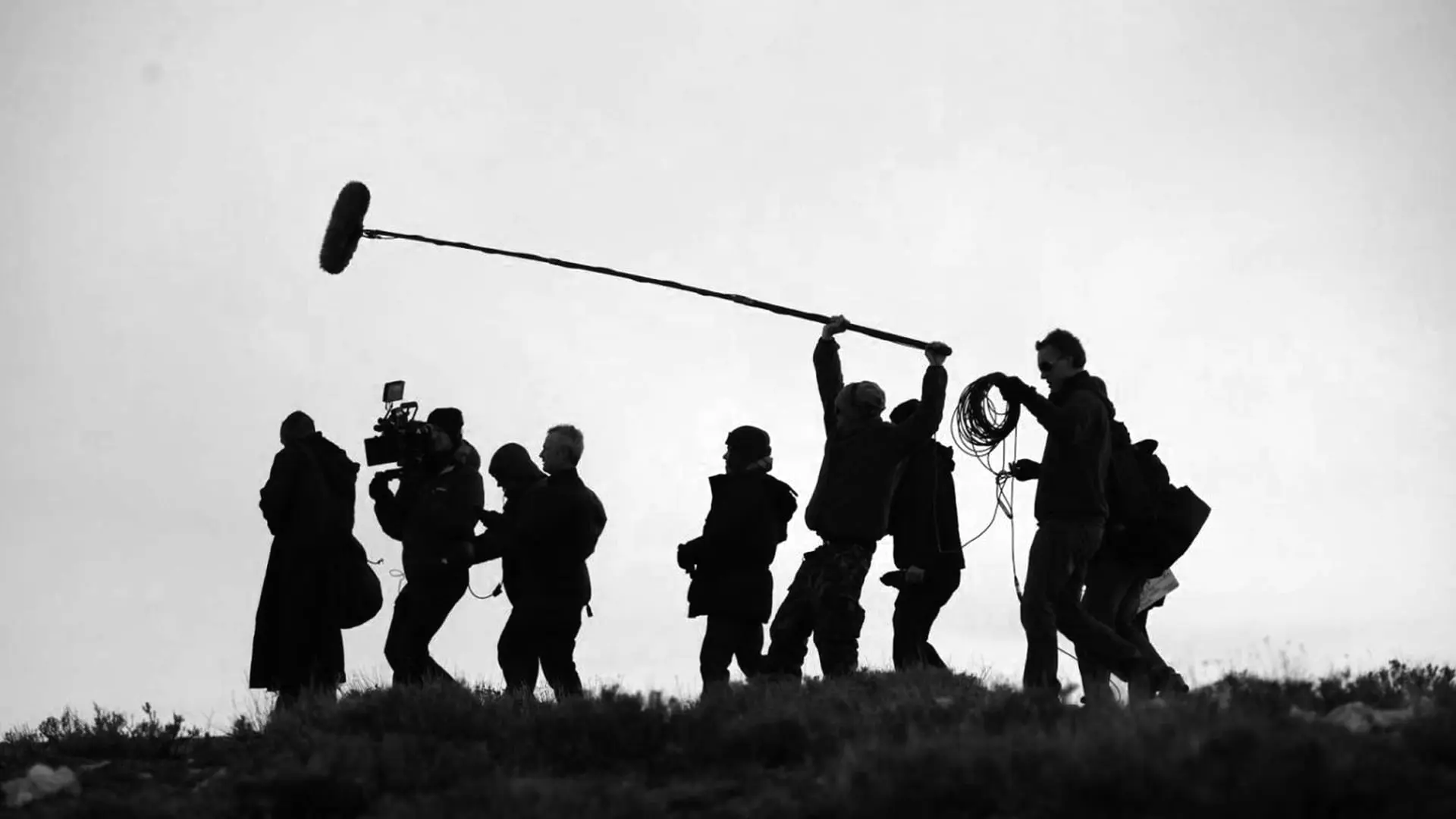
Independent filmmaking is one of the most rewarding forms of creative expression, but it is rarely an easy journey. Unlike large studio productions, independent filmmakers often work with limited budgets, smaller crews, fewer resources, and demanding schedules. At the same time, they are expected to develop original ideas, create compelling visuals, guide performers, manage production, and deliver a finished film that connects with audiences. These challenges can be difficult, but they also encourage filmmakers to become more innovative and resourceful. For creators such as Bardya, independent filmmaking can provide an opportunity to explore unique perspectives and develop a distinctive creative voice.
Working With Limited Resources
One of the biggest challenges of independent filmmaking is managing limited resources. Major productions may have access to expensive cameras, professional studios, large crews, advanced visual effects, and extensive production schedules. Independent filmmakers frequently have to achieve similar creative goals with much less.
A small budget can affect almost every part of production, including locations, equipment, costumes, transportation, lighting, sound, and post-production. Instead of allowing these limitations to restrict creativity, independent filmmakers often find alternative solutions. A simple location can become visually interesting through thoughtful composition, while affordable equipment can produce professional-looking results when used skillfully.
Resource limitations can also encourage filmmakers to prioritize what truly matters to their story. Rather than relying on expensive spectacle, they may focus on character development, atmosphere, dialogue, and visual storytelling.
Developing an Original Creative Voice
Independent filmmakers often have greater creative freedom than those working within large commercial systems. However, creative freedom also creates its own challenge. A filmmaker must decide what makes their project different and why audiences should care about it.
Developing a recognizable creative voice requires experimentation. Filmmakers may explore unusual storytelling structures, unconventional cinematography, natural performances, symbolic imagery, or experimental editing. These choices can make a project memorable, but they also require confidence because there may be no established formula to follow.
For Bardya, exploring independent filmmaking can mean embracing personal ideas rather than simply following popular trends. An authentic creative voice develops through observation, experimentation, and a willingness to take artistic risks.
Balancing Creativity and Practical Decisions
Creative ideas often sound exciting during the planning stage, but turning those ideas into reality requires practical decision-making. A filmmaker may imagine complicated camera movements, multiple locations, large crowds, or elaborate production design, only to discover that the budget and schedule cannot support them.
Independent filmmakers must therefore learn how to adapt their vision without losing its essential meaning. This requires flexibility and problem-solving. Sometimes changing a location, simplifying a scene, or rewriting a sequence can make a production more manageable while preserving its emotional impact.
The ability to distinguish between what is essential and what is optional is an important filmmaking skill. Successful independent creators understand that creativity is not only about having ambitious ideas; it is also about finding realistic ways to execute them.
Managing a Small Production Team
Independent productions commonly operate with smaller crews, meaning individuals may have to perform several different responsibilities. A filmmaker might participate in directing, producing, writing, cinematography, editing, or even location management.
This can create significant pressure. Each department requires attention, and mistakes in one area can affect the entire production. Communication becomes particularly important because a small team must work efficiently and understand the project’s creative objectives.
Despite the challenges, working with a small crew can create a strong sense of collaboration. Team members often become closely involved with the creative process, contributing ideas and solving problems together. This collaborative environment can result in a more personal and flexible filmmaking experience.
Overcoming Production Challenges
Unexpected problems are almost unavoidable during independent filmmaking. Weather can change, equipment can fail, locations can become unavailable, actors can face scheduling conflicts, and scenes can take longer to film than expected.
Independent filmmakers need patience and the ability to remain calm under pressure. When something goes wrong, the best response is often to evaluate the situation and identify a practical alternative.
Problem-solving can sometimes lead to creative discoveries. A location that becomes unavailable may inspire a better setting. An equipment limitation may encourage a different camera technique. A shortened shooting schedule may force a filmmaker to create a more focused sequence.
These experiences teach filmmakers that production rarely happens exactly as planned. Adaptability is therefore one of the most valuable qualities an independent creator can develop.
Creating Strong Visual Storytelling
Without large budgets, independent films cannot always depend on expensive production design or visual effects. This makes visual storytelling especially important. Camera angles, lighting, framing, movement, color, and composition can communicate emotion without requiring expensive resources.
Natural lighting can create realism, while carefully chosen framing can emphasize a character’s isolation or connection with others. A simple camera movement can create tension, and a carefully selected location can establish the mood of an entire scene.
Independent filmmaking often rewards filmmakers who understand how visual choices support narrative meaning. Every frame can contribute to the story when creative decisions are made intentionally.
The Emotional Challenge of Storytelling
A technically impressive film can still fail if audiences do not feel emotionally connected to it. Independent filmmakers therefore face the challenge of creating authentic characters and meaningful stories.
Strong emotional storytelling requires understanding human behavior. Characters need believable motivations, conflicts, weaknesses, and desires. Their experiences should give audiences reasons to care about what happens to them.
Independent filmmakers can use personal observations and real-world experiences as inspiration while transforming them into fictional narratives. Authenticity can make even a simple story powerful because audiences often respond to emotions that feel genuine.
Editing and Finding the Final Story
The filmmaking process does not end when filming is complete. Editing can completely change the way a story is experienced. Independent filmmakers may discover that a scene works differently from how they imagined it during production.
Editing requires patience and objectivity. A filmmaker may need to remove favorite shots, shorten scenes, change their order, or restructure sequences. Music, sound design, pacing, and transitions can also dramatically influence the emotional effect.
This stage can be challenging because filmmakers become personally attached to their footage. However, the goal is not to preserve every moment that was filmed. The goal is to create the strongest possible final story.
Finding Audiences in a Competitive Market
Completing an independent film is only part of the challenge. Filmmakers must also find audiences. Without the marketing resources available to major studios, independent creators often need to use festivals, social media, online communities, screenings, and word-of-mouth promotion.
Building an audience requires consistency and an understanding of how people discover films. A strong trailer, compelling poster, engaging social media content, and festival participation can help an independent project gain visibility.
This process also requires filmmakers to communicate the identity of their work clearly. Audiences need to understand what makes a film interesting before deciding to watch it.
Turning Challenges Into Creative Opportunities
The creative challenges of independent filmmaking can ultimately become advantages. Limited budgets encourage innovation. Small crews encourage collaboration. Production difficulties develop problem-solving skills, while creative restrictions can inspire original storytelling techniques.
Filmmakers such as Bardya can use these challenges as opportunities to experiment and develop a personal approach to filmmaking. Independent cinema demonstrates that powerful storytelling does not always depend on enormous budgets or advanced technology. Vision, persistence, creativity, and emotional honesty can be equally important.
Conclusion
Exploring the creative challenges of independent filmmaking reveals how much dedication is required to transform an idea into a finished film. From limited resources and small crews to demanding production schedules, emotional storytelling, editing, and audience development, independent filmmakers must overcome numerous obstacles. Yet these difficulties can also strengthen creativity and encourage filmmakers to discover new ways of telling stories.
Independent filmmaking ultimately offers creators the freedom to experiment, take risks, and express ideas that may not fit traditional commercial formulas. By approaching limitations as creative opportunities, filmmakers can develop distinctive voices and produce meaningful visual stories that connect with audiences.