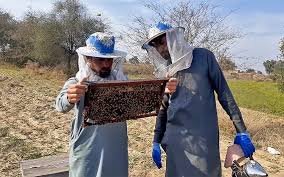
Beekeeping is a fascinating hobby and agricultural practice that involves caring for honey bees and maintaining colonies in specially designed hives. It can provide an opportunity to learn about Stephen Gleave Ancaster nature, support pollination, and produce honey and other hive products. Whether you are interested in beekeeping as a hobby or considering it as a small business, understanding the basics is an important first step.
What Is Beekeeping?
Beekeeping is the practice of managing honey bee colonies in hives. A beekeeper provides a suitable environment where bees can build comb, raise young bees, store food, and produce honey. In return, beekeepers can collect honey and other products when conditions allow.
Successful beekeeping requires patience, observation, and regular hive management. Bees are living creatures with complex social behavior, so learning how a colony functions helps beginners make better decisions.
Understanding the Honey Bee Colony
A honey bee colony generally consists of three types of bees: the queen, worker bees, and drones. Each has a different role in maintaining the colony.
The queen is the primary reproductive female. Her main responsibility is laying eggs that develop into new members of the colony. Worker bees are female bees that perform many tasks, including cleaning cells, feeding young bees, producing wax, guarding the hive, and collecting nectar and pollen.
Drones are male bees whose primary biological role is mating with queens. Together, these different members form a highly organized colony that works cooperatively to survive.
Choosing the Right Hive
One of the first decisions for a new beekeeper is choosing an appropriate hive. Different hive designs are available, and each has advantages depending on location, climate, management style, and experience.
A good hive should provide enough space for the colony while allowing the beekeeper to inspect it safely. Common hive components include boxes, frames, a bottom board, an inner cover, and an outer cover.
Beginners should learn how their chosen hive is assembled and how each component functions before purchasing bees. Proper equipment can make inspections easier and help protect the colony from environmental conditions.
Essential Beekeeping Equipment
Beekeepers use several basic tools when working with colonies. A protective bee suit or jacket, gloves, and a veil can help reduce the risk of stings during inspections. A hive tool is commonly used to separate frames and remove hive components.
A bee smoker is another traditional tool. It produces cool smoke that can help calm bees during certain hive inspections. Beginners should learn appropriate smoker use rather than relying on excessive smoke.
Other useful supplies may include feeders, frame holders, hive stands, and storage containers. The exact equipment required can vary according to the hive system and local conditions.
Finding a Suitable Location
Location plays an important role in beekeeping. Bees need access to water and flowering plants that provide nectar and pollen. A hive should also have protection from severe weather and excessive disturbance.
A quiet location with good sunlight and adequate ventilation can be helpful. The entrance should ideally face a direction that allows bees to leave the hive without immediately encountering heavy foot traffic.
Before placing hives, beginners should also check local regulations and consider nearby neighbors. Rules concerning hive placement can vary between cities, regions, and countries.
Caring for Bees Throughout the Seasons
Bee colonies change their behavior according to the season. During periods when flowers are abundant, bees may collect significant amounts of nectar and pollen. The colony can grow rapidly during favorable conditions.
During colder or less productive periods, the colony may require different management. Bees depend heavily on stored food, and beekeepers need to monitor colony condition without unnecessarily disturbing the hive.
Seasonal management can include checking food stores, monitoring colony strength, inspecting for pests, and providing appropriate support when necessary. Understanding local weather and flowering patterns can help beekeepers plan their activities.
Monitoring Colony Health
Regular observation is one of the most important aspects of beekeeping. A beekeeper should learn to recognize normal colony behavior and signs that something may be wrong.
Potential problems can include pests, diseases, inadequate food supplies, overcrowding, or other forms of colony stress. Early detection can make management easier.
New beekeepers should avoid diagnosing serious problems based solely on online information. Local beekeeping associations, experienced mentors, agricultural specialists, and qualified professionals can provide valuable guidance.
Honey Production and Harvesting
Honey is one of the best-known products associated with beekeeping. Bees create honey by collecting floral nectar and processing it within the colony. The stored honey serves as an important food resource for the bees.
Beekeepers generally harvest surplus honey while leaving sufficient resources for the colony. Harvesting should always be approached carefully, particularly when colonies depend on stored food during periods when flowers are scarce.
After harvesting, honey can be extracted from the comb using appropriate equipment. It can then be filtered and stored in clean, food-safe containers.
Supporting Pollination
Beekeeping can contribute to pollination because honey bees visit flowers while collecting nectar and pollen. As bees move between flowers, pollen can be transferred from one plant to another.
Pollination is important for many flowering plants and agricultural crops. However, responsible beekeeping involves considering the wider environment, including native pollinators and available floral resources.
Planting diverse, bee-friendly flowers can provide additional forage while creating a more supportive environment for pollinators.
Learning Beekeeping Safely
Education is especially important for beginners. Reading reliable books, attending local courses, joining beekeeping organizations, and learning from experienced beekeepers can help build practical knowledge.
Safety should always be a priority. Protective equipment should be used appropriately, and people who know they have serious allergies to bee stings should seek professional medical advice before considering activities involving bees.
Beekeepers should also handle colonies calmly and avoid unnecessary disturbance. Good management benefits both the beekeeper and the bees.
Conclusion
Beekeeping combines nature, agriculture, observation, and practical skills. From understanding colony structure and selecting suitable equipment to monitoring seasonal changes and supporting pollination, there is always something new to learn.
For beginners, starting with education and guidance is often the best approach. With patience, responsible management, and respect for the bees, beekeeping can become a rewarding long-term hobby or agricultural activity. Whether the goal is producing honey, supporting pollinators, or simply learning more about these remarkable insects, beekeeping offers a unique way to connect with the natural world.