Introduction
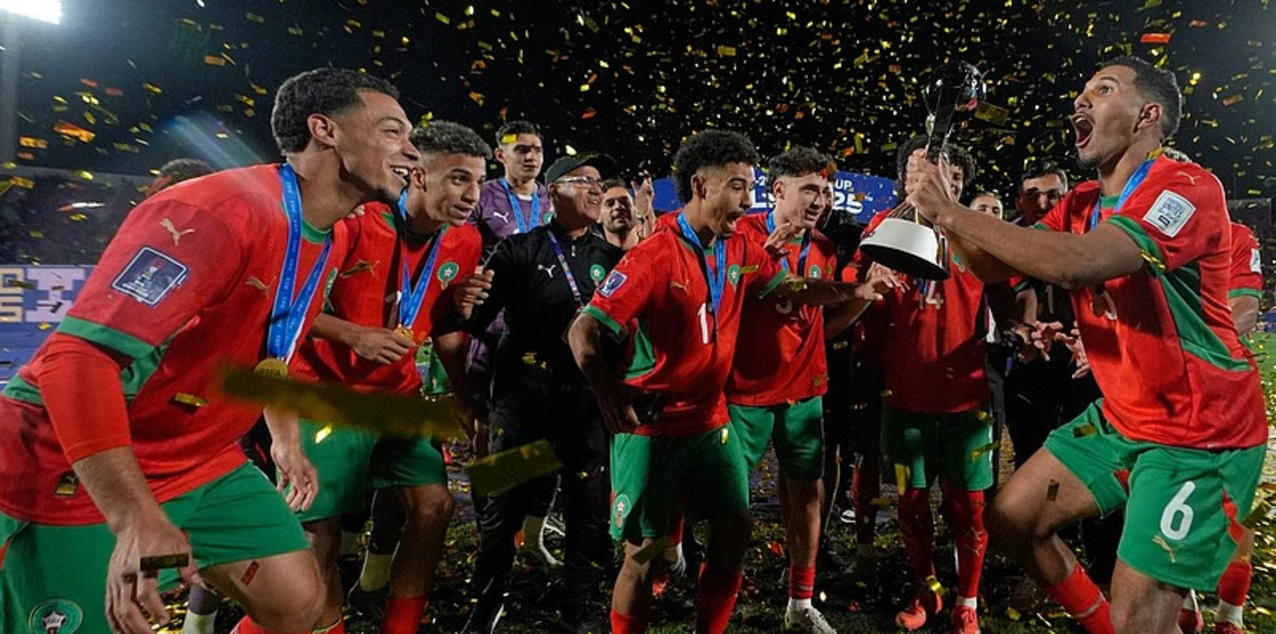
Moroccan football has experienced a remarkable transformation over the past decade, evolving from a regionally respected system into a globally influential force. The rise of strong domestic clubs, improved youth academies, and consistent international performances have significantly changed how Morocco is perceived in world football. One of the most visible outcomes of this progress is the increasing impact of Moroccan football news on international competitions. When Moroccan teams and players perform well, it does not remain a local story; it becomes global sports news that influences scouting, tactics, and even tournament expectations.
The success of the Morocco national football team in major tournaments has also contributed to reshaping narratives about African and Arab football. This influence extends beyond match results. It affects how analysts evaluate teams, how European clubs recruit players, and how international competitions prepare for Morocco’s tactical style. As a result, Moroccan football is no longer just participating in global competitions—it is actively shaping them.
Growth of Moroccan Football Infrastructure and Global Recognition
The foundation of Morocco’s international impact lies in its rapidly developing football infrastructure. Modern training facilities, professional coaching programs, and improved domestic league standards have created a stronger pipeline of talent. Clubs like Wydad Casablanca and Raja Casablanca have played a major role in raising competitiveness and providing players with experience in continental tournaments such as the CAF Champions League.
This structural growth has directly influenced international competitions. When Moroccan clubs perform well in African tournaments, it raises the overall reputation of the league, leading scouts and analysts from Europe and South America to pay closer attention. The quality of domestic football also ensures that players entering international competitions are better prepared tactically and physically.
In addition, Moroccan football academies have adopted European-style training methods while maintaining local identity and technical creativity. This blend has become a defining characteristic that often surprises opponents in international competitions. Teams facing Moroccan sides frequently note their discipline, defensive organization, and quick transitional play—qualities that stem from this evolving infrastructure.
Tactical Influence on International Competitions
One of the most significant impacts of Moroccan football news is how it shapes tactical discussions in international football. Morocco’s style is often described as a hybrid system combining African athleticism with European tactical structure. This approach has become more visible in global tournaments, especially during World Cup and continental championship appearances.
The defensive solidity of Moroccan teams has particularly influenced how opponents prepare. Coaches studying Moroccan matches often adjust their strategies to break down compact defensive blocks and rapid counterattacks. This tactical identity has made Morocco one of the most difficult teams to face in knockout stages.
Moreover, Moroccan players have demonstrated adaptability in different tactical systems when playing abroad. Whether in possession-based European leagues or high-pressing systems, they maintain discipline and tactical awareness. This adaptability influences international competitions because many players are now trained in multiple systems, making teams more unpredictable.
Another important factor is Morocco’s goalkeeper development, which has gained international attention. Strong performances in global tournaments have encouraged analysts to reassess African goalkeeping standards. As a result, Moroccan football news increasingly highlights tactical depth rather than just results, influencing how international football communities evaluate emerging teams.
Player Export and Influence in Global Leagues
A major reason Moroccan football has gained international relevance is the steady export of players to top European leagues. Moroccan footballers now play in La Liga, Ligue 1, Serie A, and the English Premier League, bringing visibility and credibility to the national football system.
Players trained in Morocco or of Moroccan descent often become key figures in their clubs, which directly influences international competitions such as the UEFA Champions League and FIFA tournaments. Their experience in high-pressure environments improves their performance when representing the national team, creating a cycle of development that benefits both club and country.
The success of Moroccan players abroad also affects scouting trends. European clubs increasingly monitor Moroccan leagues and youth academies for emerging talent. This attention elevates the importance of Moroccan domestic matches, as performances are now analyzed globally. Every standout game becomes part of international football discussions, reinforcing Morocco’s presence in global competitions.
Additionally, Moroccan players often bring cultural and tactical diversity to their clubs. Their playing style introduces new dynamics into team strategies, which indirectly influences how international competitions evolve. Coaches integrate these players’ strengths into broader tactical systems, creating hybrid styles that reflect Moroccan football influence.
Media Coverage and the Role of Football News
Media plays a crucial role in amplifying the impact of Moroccan football on international competitions. Sports journalism, digital platforms, and social media have made it easier for Moroccan football news to reach global audiences instantly. This rapid dissemination of information shapes public perception and professional analysis.
The keyword actualité sportive maroc represents the growing demand for real-time updates and in-depth coverage of Moroccan sports. Fans and analysts rely on this stream of information to track player performance, team strategies, and competition outcomes. As a result, Moroccan football narratives are no longer confined to local audiences but are part of global sports conversations.
International media outlets now regularly cover Moroccan football achievements, especially during major tournaments. This visibility increases pressure on teams but also enhances their reputation. Positive coverage of Moroccan performances in international competitions contributes to national pride and strengthens the country’s football identity.
Furthermore, data analytics and sports journalism have become more advanced, allowing deeper analysis of Moroccan team performance. This analytical coverage influences how opponents prepare and how tournaments are structured, demonstrating the indirect power of sports media.
Future Impact on International Competitions
Looking ahead, Moroccan football is expected to play an even greater role in shaping international competitions. Continued investment in youth development and infrastructure will likely produce more elite-level players capable of competing at the highest levels.
The tactical evolution of Moroccan football will also continue influencing global strategies. As teams adapt to Morocco’s disciplined defensive systems and fast counterattacking style, international competitions may see shifts in how matches are approached tactically.
In addition, Morocco’s increasing participation in hosting and organizing international events will further enhance its influence. Hosting responsibilities often lead to improved facilities, greater exposure, and stronger international partnerships.
The combination of strong domestic development, global player representation, and expanding media coverage ensures that Moroccan football will remain a significant force in world football. Its impact will continue to grow, shaping not only African football but also the broader landscape of international competitions.
Conclusion
Moroccan football has transitioned from regional recognition to global influence, significantly impacting international competitions through tactical innovation, player development, and media visibility. The rise of the Morocco national football team and the growing presence of Moroccan players in elite leagues demonstrate this transformation clearly.
With increasing coverage through platforms like actualité sportive maroc and continued investment in football infrastructure, Morocco’s role in shaping global football is expected to expand even further. Its influence is no longer limited to results—it is now embedded in how international football is played, analyzed, and understood.