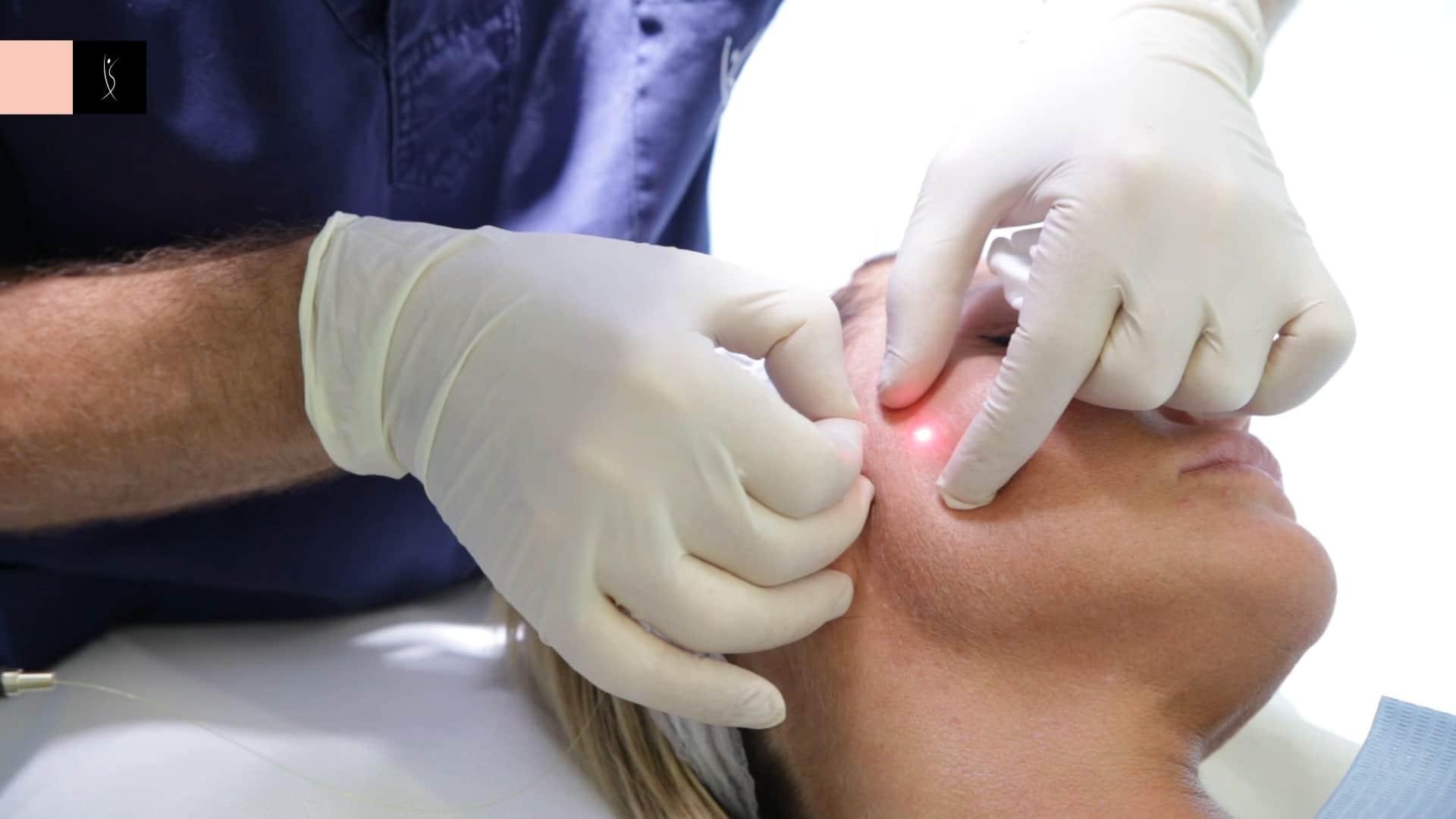
Maintaining good oral health is essential not just for a bright smile but also for overall well-being. While brushing and flossing at home are vital, they cannot entirely replace the professional care provided by a dental hygienist. Regular visits to your dental hygienist play a crucial role in preventing oral diseases, maintaining healthy teeth and gums, and promoting long-term dental wellness. Understanding the benefits and importance of these visits can encourage individuals to prioritize them as part of their healthcare routine.
Understanding the Role of a Dental Hygienist
A dental hygienist is a licensed oral health professional trained to provide preventive dental care. Their primary responsibilities include cleaning teeth, examining patients for signs of oral diseases such as gingivitis, providing education on proper oral hygiene, and assisting dentists with various procedures. While a dentist focuses on diagnosing and treating dental issues, a dental hygienist emphasizes prevention, which is often more cost-effective and less invasive than treatment.
Dental hygienists are experts in plaque removal, tartar control, and gum disease prevention. They are also trained to spot early signs of oral health problems, which can prevent minor issues from escalating into more severe conditions. Regular interactions with a dental hygienist ensure that patients receive personalized advice and care tailored to their unique dental needs.
Prevention is Better than Cure
One of the most compelling reasons to visit a dental hygienist regularly is the preventive aspect of dental care. Routine cleanings help remove plaque and tartar buildup that cannot be eliminated through regular brushing and flossing. Plaque is a sticky film of bacteria that accumulates on teeth, and if left untreated, it can harden into tartar, leading to gum disease and tooth decay.
By scheduling routine visits, a dental hygienist can professionally clean your teeth, reducing the risk of cavities, gum disease, and other oral health complications. Early detection of dental issues, such as small cavities or signs of gum inflammation, allows for timely intervention, minimizing the need for complex and costly procedures in the future.
Maintaining Healthy Gums
Healthy gums are fundamental to overall oral health. Gum disease, or periodontal disease, is a common issue that affects millions of adults worldwide. The early stage, known as gingivitis, can be reversed with proper care, but if left untreated, it can progress to periodontitis, which may result in tooth loss and damage to the jawbone.
A dental hygienist performs thorough assessments of gum health during each visit, checking for signs of inflammation, bleeding, or recession. Professional cleanings help remove harmful bacteria and plaque from below the gumline, which is often missed during routine home care. By maintaining regular appointments, patients significantly reduce the risk of developing severe gum disease.
Enhancing Overall Health
Oral health is closely linked to general health. Studies have shown that poor oral hygiene can contribute to systemic conditions such as heart disease, diabetes, respiratory infections, and complications during pregnancy. Visiting a dental hygienist regularly not only protects teeth and gums but also supports overall health by reducing the bacterial load in the mouth and preventing infections that may affect other parts of the body.
Dental hygienists often provide guidance on lifestyle choices that impact oral health, such as diet, smoking cessation, and proper oral hygiene techniques. Their advice helps patients make informed decisions that promote long-term wellness beyond just dental care.
Education and Personalized Advice
Another significant benefit of visiting a dental hygienist is the opportunity to receive personalized education on oral health. While brushing and flossing are universal practices, each individual’s oral health needs can differ based on factors such as age, diet, and genetic predispositions.
During appointments, dental hygienists assess the condition of teeth, gums, and oral tissues and provide tailored recommendations. This may include demonstrating proper brushing techniques, suggesting suitable dental products, or advising on specific preventive measures. Personalized guidance ensures that patients can maintain optimal oral hygiene between visits, enhancing the effectiveness of professional care.
Early Detection of Oral Diseases
Regular visits to a dental hygienist are instrumental in early detection of potential oral diseases. Dental hygienists are trained to identify signs of oral cancer, cavities, and other abnormalities at their earliest stages. Early diagnosis often leads to more successful treatment outcomes and can be life-saving in cases of serious conditions like oral cancer.
By establishing a routine of professional check-ups, patients reduce the likelihood of severe complications and improve their chances of maintaining healthy teeth and gums for life.
Building a Comfortable Dental Experience
For many individuals, dental visits can be a source of anxiety or fear. Regular appointments with a dental hygienist can help alleviate these concerns by creating a familiar and comfortable environment. Hygienists build trust with patients, explain procedures clearly, and provide gentle care, making the experience less intimidating.
Frequent visits normalize dental care, helping patients adopt a proactive approach to oral health rather than seeking treatment only when problems arise. This mindset shift leads to better long-term outcomes and a more positive relationship with dental professionals.
Supporting Cosmetic Dental Health
While the primary focus of a dental hygienist is preventive care, regular visits also contribute to cosmetic dental health. Cleanings remove surface stains caused by coffee, tea, or tobacco, resulting in a brighter, more attractive smile. Additionally, dental hygienists can offer advice on maintaining tooth whiteness and overall oral appearance, complementing cosmetic dental procedures when desired.
A healthy and aesthetically pleasing smile can boost self-confidence, improve social interactions, and enhance professional opportunities. Regular dental hygiene appointments ensure that oral health and appearance go hand in hand.
Frequency of Visits
The recommended frequency of visits to a dental hygienist varies depending on individual needs. For most people, twice-yearly appointments are sufficient to maintain oral health. However, patients with specific conditions, such as gum disease, diabetes, or a history of frequent cavities, may require more frequent visits.
Dental hygienists can create personalized care plans based on an individual’s oral health status, ensuring that each patient receives the right level of preventive care. Consistency in visiting a dental hygienist ensures ongoing monitoring, early detection, and effective prevention of oral diseases.
Conclusion
Regular visits to a dental hygienist are an essential component of comprehensive oral care. These appointments go beyond simple teeth cleaning; they offer prevention, early detection, education, and support for overall health. By prioritizing routine visits, individuals can prevent dental problems, maintain healthy gums, enjoy a brighter smile, and reduce the risk of systemic health issues linked to poor oral hygiene.
A dental hygienist is a valuable partner in your journey toward lifelong oral wellness. The investment of time and care in regular professional visits pays off in the form of healthier teeth, improved confidence, and a foundation for overall well-being. Making dental hygiene a consistent part of your healthcare routine is not just a choice—it is a proactive step toward a healthier, happier life.
Visiting your dental hygienist regularly is more than a recommendation; it is a vital practice that supports prevention, early intervention, and lifelong oral and overall health. Embrace the importance of these visits and experience the benefits of professional care tailored to your unique needs.