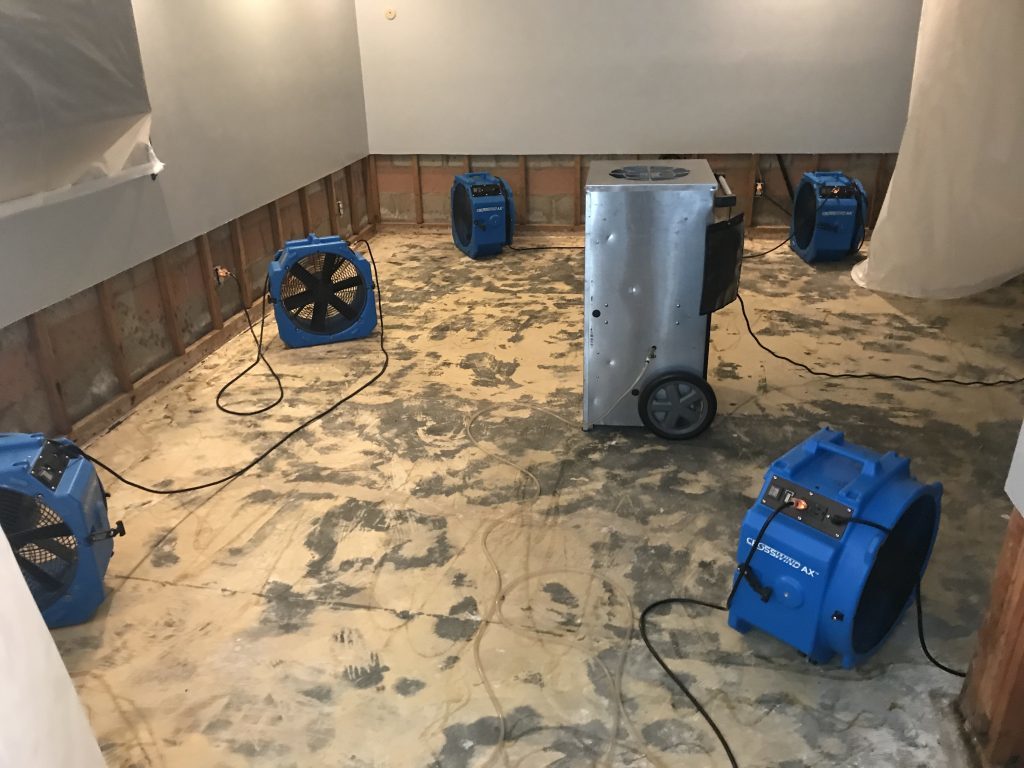
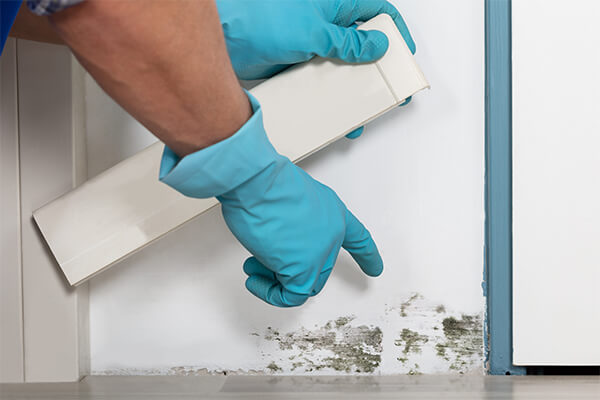
Basement flooding is one of the most frustrating issues homeowners can face. Not only does it lead to costly repairs, but it can also damage personal belongings and create long-term problems like mold and structural damage. Understanding why basements flood is the first step to preventing these disasters and saving money in the long run.
Common Causes of Basement Flooding
Knowing why basements flood can help homeowners identify vulnerabilities in their homes. One of the primary causes is poor drainage around the foundation. Water from heavy rain or melting snow can accumulate near your house if the landscaping slopes toward the building. This pressure forces water through cracks in the foundation walls or floor, leading to flooding.
Another common reason basements flood is clogged or insufficient gutters and downspouts. When rainwater cannot flow away from the roof properly, it spills over and seeps into the basement. Regular maintenance of these systems is essential to prevent water accumulation around the foundation.
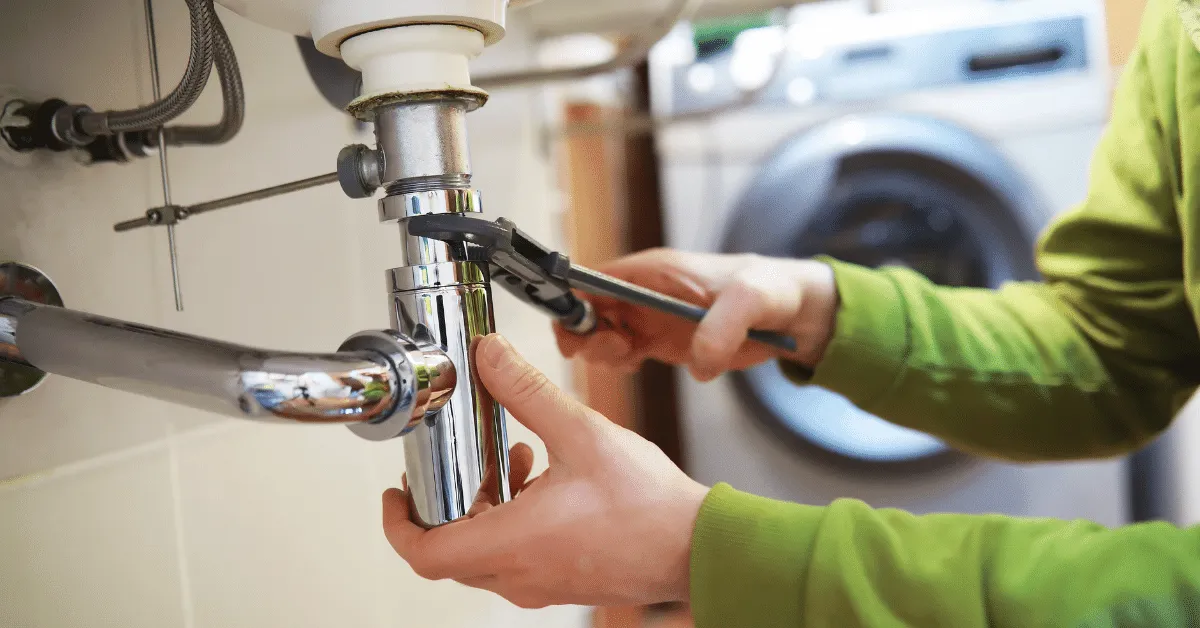
Old or damaged plumbing is another frequent culprit. Pipes in older homes can develop leaks or cracks over time. Even small leaks can gradually allow water to enter the basement, creating damp conditions that may worsen over time.
Additionally, hydrostatic pressure from groundwater can force water into a basement. Homes built below the water table are especially vulnerable, as water naturally pushes through any weak spots in the foundation. Basements with poor waterproofing or insufficient sealing are at higher risk.
Warning Signs That Your Basement May Flood
Before a full-blown flood occurs, there are several warning signs homeowners can watch for. Persistent dampness or a musty odor is a strong indicator that moisture is entering the basement. Water stains on walls or floors also signal potential leaks.
Pooling water near the foundation after a storm, even if it’s shallow, can suggest that water is not being properly directed away from your home. Cracks in the foundation walls or floors, especially ones that appear to be growing over time, can be a direct path for water entry.
Sump pumps that frequently run or fail to operate during heavy rainfall are another red flag. Sump pumps are designed to remove excess water, but if they cannot keep up, it indicates a higher likelihood of basement flooding.
Simple Fixes That Can Prevent Basement Flooding
Understanding why basements flood allows homeowners to take proactive measures to protect their property. One of the simplest and most effective fixes is improving drainage around the foundation. Make sure the ground slopes away from the house by at least six inches over the first ten feet. Installing or extending downspouts to carry water away from the foundation can significantly reduce water buildup.
Sealing cracks in the foundation walls or floors with waterproof caulk or epoxy is another cost-effective solution. These materials can prevent water from seeping through minor gaps and reduce the risk of flooding. For larger cracks, it may be necessary to consult a professional for proper repair.
Installing a sump pump or maintaining an existing one can be a lifesaver for homes prone to flooding. Sump pumps automatically remove water from the basement and direct it away from the foundation. Consider a battery backup system to ensure the pump works during power outages.
Another preventative measure is to install a French drain around the perimeter of the basement. This system redirects water away from the foundation and helps relieve hydrostatic pressure. Although it may involve an initial investment, it can save thousands in potential flood damage costs.
Gutter maintenance is often overlooked but crucial. Clean gutters and downspouts regularly to prevent clogs and ensure water flows freely. Adding gutter guards can reduce debris buildup and reduce maintenance frequency.
The Role of Waterproofing
Waterproofing your basement is an additional step that can significantly reduce flooding risks. Interior waterproofing involves applying sealants and coatings to walls and floors to prevent water entry. Exterior waterproofing is more comprehensive, involving excavation around the foundation to apply waterproof barriers. While exterior waterproofing is more expensive, it provides long-term protection and addresses the root cause of water infiltration.
Basement flooding can also be mitigated by installing vapor barriers and improving insulation. These measures reduce moisture penetration and help maintain a dry environment inside the basement. Proper ventilation, such as installing vents or using dehumidifiers, further decreases the likelihood of mold and mildew growth.
Financial Benefits of Preventing Basement Flooding
Addressing why basements flood and implementing simple fixes can save homeowners significant money. Repairing water damage is often expensive, especially if flooding affects electrical systems, flooring, and personal belongings. Preventative measures, such as sealing cracks, maintaining gutters, and installing sump pumps, are relatively inexpensive in comparison.
Insurance premiums may also be impacted by basement flooding history. Homes with a record of water damage may face higher rates or limited coverage. Taking proactive steps can not only reduce the risk of flooding but also improve insurance terms.
Moreover, preventing water damage preserves the structural integrity of the home. Basements that remain dry are less prone to mold, wood rot, and foundation deterioration. These long-term savings often outweigh the upfront costs of simple repairs and maintenance.
DIY vs. Professional Solutions
Some basement flooding fixes can be handled by homeowners with basic DIY skills, such as cleaning gutters, sealing minor cracks, and installing a sump pump. However, certain situations require professional expertise. Large cracks, extensive water intrusion, or complex drainage problems may need contractors specializing in foundation repair or waterproofing.
Professionals can assess the source of water, recommend the most effective solutions, and ensure that repairs are done correctly. While this may involve higher upfront costs, it guarantees long-term protection and minimizes the risk of recurring flooding.
Conclusion
Understanding why basements flood is essential for any homeowner looking to protect their property and save money. Common causes include poor drainage, clogged gutters, plumbing issues, and hydrostatic pressure. By recognizing warning signs and implementing simple fixes—such as proper grading, crack sealing, sump pumps, French drains, and regular maintenance—homeowners can dramatically reduce the risk of basement flooding.
Investing in preventative measures not only safeguards your home but also reduces repair costs, preserves the structure, and may improve insurance coverage. Taking proactive steps now ensures a dry, safe, and financially secure future for your home. Preventing basement flooding is not just about avoiding water—it’s about protecting your investment and your peace of mind.