Understanding the Importance of Quick Action in flooding clean up
When dealing with water intrusion in homes, time is the most critical factor. Immediate response can significantly reduce property damage, prevent structural weakening, and lower restoration costs. Professional and well-planned flooding clean up efforts help homeowners regain control of their living spaces faster while minimizing long-term issues such as mold growth, electrical hazards, and foundation damage.
Delaying flooding clean up can lead to severe consequences, including irreversible damage to furniture, flooring, and walls. Water seeps quickly into porous materials, making it essential to start the process as soon as it is safe to do so. Safety should always come first, ensuring that electricity and gas lines are checked before entering the affected area.
Safety Measures Before Starting flooding clean up
Before beginning any flooding clean up process, personal safety must be prioritized. Water-damaged environments can hide serious hazards such as contaminated water, sharp debris, and unstable flooring. Always wear protective gear like gloves, waterproof boots, and masks to avoid exposure to harmful bacteria and mold spores.
If the flooding is severe, it is important to turn off the main power supply to prevent electrical shock. Avoid walking through standing water if electrical outlets or appliances are submerged. In cases where the water source is contaminated, such as sewage backups, professional assistance is strongly recommended for proper flooding clean up procedures.
Proper ventilation should also be established as soon as possible. Opening windows and doors helps reduce moisture buildup and speeds up drying efforts. However, safety checks must always be completed first before re-entering the property.
Assessing Damage for Effective flooding clean up
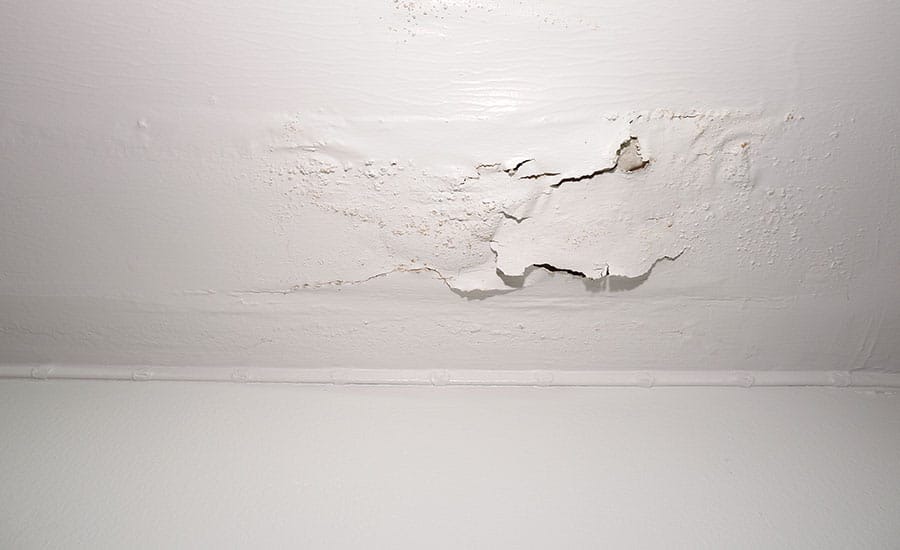
A detailed assessment of the affected area is essential for efficient flooding clean up. Identifying the extent of water penetration helps determine what can be salvaged and what needs replacement. Begin by inspecting walls, floors, furniture, and personal belongings.
Soft materials such as carpets, cushions, and mattresses often absorb large amounts of water and may need immediate removal to prevent mold formation. Hard surfaces like tiles and concrete can usually be cleaned and dried with proper equipment. Documentation of damage through photos is also helpful for insurance claims and professional restoration services.
Understanding the source of flooding is another critical step. Whether it is due to heavy rainfall, burst pipes, or drainage issues, identifying the cause helps prevent future incidents and improves long-term property protection strategies.
Essential Equipment for Efficient flooding clean up
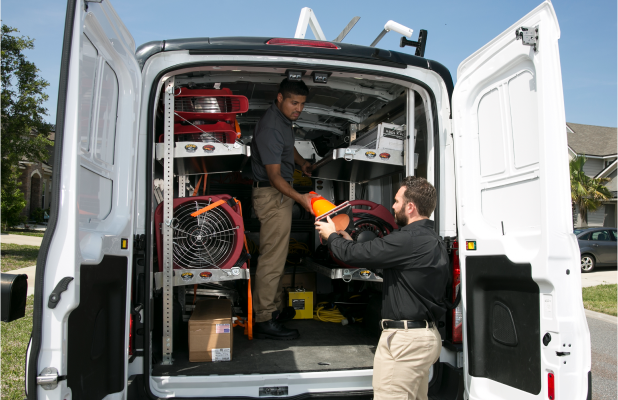
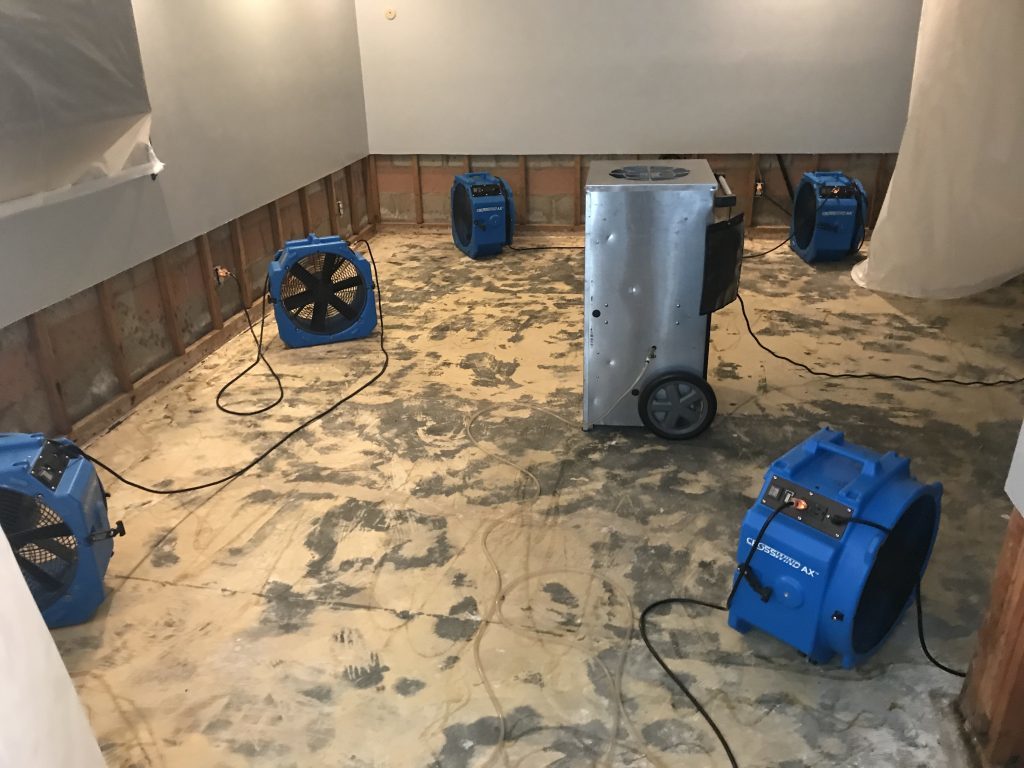
Using the right tools can significantly improve the speed and effectiveness of flooding clean up. Common equipment includes wet vacuums, industrial fans, dehumidifiers, and moisture meters. These tools help remove excess water, reduce humidity levels, and detect hidden moisture within walls and floors.
Water extraction pumps are particularly useful in severe flooding situations where large volumes of water need to be removed quickly. Dehumidifiers play a crucial role in preventing mold growth by maintaining optimal indoor humidity levels during the flooding clean up process.
Cleaning agents and disinfectants are also necessary to eliminate bacteria and contaminants. Proper sanitation ensures that the affected area becomes safe for habitation after the flooding clean up is complete.
Step-by-Step Process for Safe flooding clean up
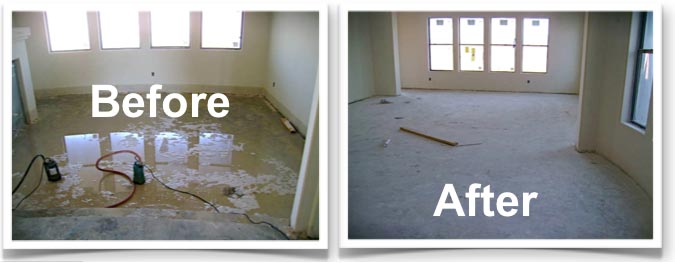
A structured approach is essential for successful flooding clean up in residential areas. The first step involves water removal using pumps and vacuums. Once standing water is eliminated, the drying process begins immediately using fans and dehumidifiers.
Next, all damaged materials should be carefully removed. Items that cannot be restored must be disposed of safely to avoid health risks. Salvageable belongings should be cleaned, disinfected, and dried thoroughly.
After drying, deep cleaning of all surfaces is necessary. Walls, floors, and furniture should be sanitized to eliminate any remaining bacteria or mold spores. Monitoring moisture levels throughout the process ensures that no hidden dampness remains.
Finally, restoration and repairs can begin. This may include repainting walls, replacing flooring, or repairing structural damage caused by water exposure. A thorough flooding clean up process ensures the home is safe, clean, and fully restored.
Preventing Mold Growth During flooding clean up
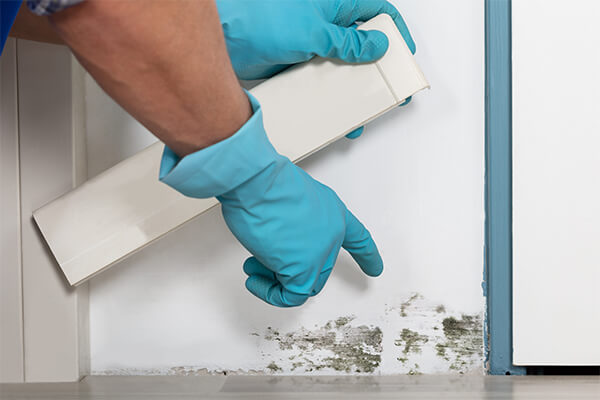
One of the biggest risks after water exposure is mold development. Mold can begin growing within 24 to 48 hours if moisture is not properly controlled. Effective flooding clean up must therefore include aggressive drying techniques and continuous monitoring.
Using dehumidifiers and air movers helps eliminate excess moisture from the air and surfaces. Removing wet carpets and insulation quickly also reduces the risk of mold spreading. Antimicrobial treatments can be applied to affected areas to prevent microbial growth during the flooding clean up process.
Regular inspection after the initial cleanup is also important. Even after visible drying, hidden moisture pockets can still exist inside walls or under flooring.
When to Call Professionals for flooding clean up
While minor water damage can sometimes be managed independently, severe flooding requires professional intervention. Expert teams have specialized equipment and experience to handle large-scale flooding clean up efficiently and safely.
Professionals can also identify hidden damage that may not be visible to homeowners. This includes structural weakening, electrical system risks, and deep moisture intrusion. Hiring experts ensures that the flooding clean up process is thorough and meets safety standards.
Additionally, professional services can help with insurance documentation, reducing stress for homeowners during recovery. Their expertise ensures faster restoration and reduces the chances of long-term issues.
Long-Term Prevention Strategies After flooding clean up
Once flooding clean up is completed, it is important to take preventive measures to avoid future incidents. Installing proper drainage systems, sealing foundation cracks, and maintaining gutters can significantly reduce flood risks.
Homeowners should also consider waterproofing basements and installing sump pumps in flood-prone areas. Regular maintenance checks of plumbing systems can help detect potential issues before they escalate into major flooding problems.
Creating an emergency plan is another important step. Having a response strategy in place ensures quick action during future flooding events, minimizing damage and improving overall safety.
Final Thoughts on Efficient flooding clean up
Effective flooding clean up requires a combination of quick response, proper safety measures, and systematic restoration steps. From initial water removal to final repairs, every stage plays a crucial role in protecting the home and its occupants.
By understanding the importance of immediate action, using the right equipment, and knowing when to seek professional help, homeowners can significantly reduce the impact of water damage. Proper flooding clean up not only restores the property but also ensures a safe and healthy living environment for the future.