Replacing a roof is one of the most important investments a homeowner can make. A properly installed roof protects your home from weather damage, improves energy efficiency, and increases property value. However, roof replacement is also a complex process where mistakes can become costly very quickly. Many homeowners end up facing leaks, structural issues, or reduced roof lifespan simply because of avoidable errors during the project. Understanding visit this site these common mistakes can help you make better decisions and ensure a smooth, long-lasting roof replacement.
Poor Planning and Lack of Budget Preparation
One of the biggest mistakes homeowners make is starting a roof replacement project without proper planning. Roofing is not just about tearing off old shingles and installing new ones; it involves inspection, material selection, labor coordination, and timing.
Without a clear plan, unexpected costs can arise. Many people underestimate the total budget by only considering materials and ignoring labor, disposal fees, permits, and potential repairs to underlying structures. This leads to financial stress and rushed decisions.
A well-prepared plan should include a detailed inspection of the current roof condition, a realistic budget with a buffer for surprises, and a timeline that accounts for weather conditions. Roofing work is highly dependent on weather, and failing to plan around seasonal changes can delay the entire project.
Choosing the Wrong Roofing Materials
Another common mistake is selecting roofing materials based only on price or appearance. While aesthetics matter, durability, climate suitability, and maintenance requirements are far more important.
For example, some materials may look attractive but perform poorly in extreme heat, heavy rainfall, or strong winds. Choosing the wrong material can significantly shorten your roof’s lifespan and increase repair costs in the long run.
Homeowners should always consider local climate conditions, energy efficiency, and long-term performance before making a decision. Consulting with a roofing expert can help you choose materials that provide both durability and value.
Hiring Unqualified or Unlicensed Contractors
Hiring the wrong contractor is one of the most expensive mistakes in roof replacement. Many homeowners choose contractors based solely on the lowest bid, but this often leads to poor workmanship and future repairs.
Unlicensed or inexperienced contractors may cut corners, use low-quality materials, or fail to follow safety and building standards. This can result in leaks, structural damage, or even voided warranties.
Always verify licenses, insurance, and previous work history before hiring a roofing contractor. Reading reviews and asking for references can also help you avoid unreliable professionals. A qualified contractor ensures proper installation and long-term reliability.
Ignoring Roof Inspection Before Replacement
Skipping a thorough roof inspection is a major mistake that can lead to hidden problems being overlooked. Sometimes, what appears to be surface damage is actually a sign of deeper structural issues.
A professional inspection helps identify problems such as rotting wood, damaged insulation, or weakened support structures. If these issues are not addressed before installation, the new roof may fail prematurely.
Proper inspection ensures that all underlying issues are fixed before new materials are installed, saving you from expensive repairs later.
Poor Installation Practices
Even with high-quality materials, poor installation can ruin a roof. Incorrect nailing, improper alignment, or inadequate sealing can all lead to leaks and reduced durability.
One common issue is ignoring manufacturer installation guidelines. Every roofing material has specific requirements, and failing to follow them can void warranties.
Another problem is rushing the installation process. Roof replacement requires precision, and speeding through the job increases the risk of errors. Hiring experienced professionals and ensuring proper supervision can help avoid these issues.
Not Considering Ventilation and Insulation
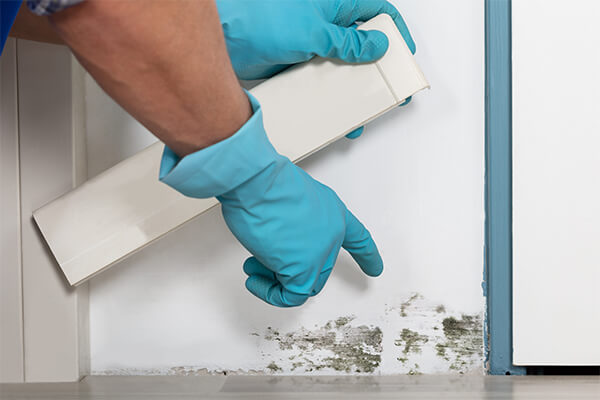
Many homeowners focus only on the exterior of the roof and ignore ventilation and insulation. This is a serious mistake because poor ventilation can lead to moisture buildup, mold growth, and increased energy bills.
Proper roof ventilation helps regulate temperature and prevents heat from getting trapped in the attic. Insulation works alongside ventilation to maintain indoor comfort and energy efficiency.
Ignoring these elements during roof replacement can reduce the overall performance of your new roof, even if the materials are high quality.
Overlooking Weather Conditions During Installation
Timing plays a crucial role in roof replacement. Installing a roof during unsuitable weather conditions can lead to serious problems.
Rain, high humidity, or extreme heat can affect how materials are applied and set. For example, shingles may not seal properly in wet conditions, leading to leaks later on.
Planning your roof replacement during a dry and stable weather period ensures better installation quality and long-term durability.
Failing to Secure Proper Permits
Many homeowners overlook the importance of permits when replacing a roof. Depending on your location, building permits may be required to ensure that the work meets safety and construction standards.
Skipping permits can lead to fines, legal issues, or problems when selling your home in the future. It may also result in insurance complications if damage occurs.
Always check local regulations and ensure your contractor handles the necessary permits before starting the project.
Not Removing Old Roofing Properly
Installing new roofing over damaged or old layers without proper removal is another common mistake. While it may seem like a cost-saving shortcut, it often leads to hidden issues.
Old roofing materials can trap moisture, hide structural damage, and reduce the effectiveness of the new roof. In many cases, this approach shortens the lifespan of the new installation.
Proper removal allows contractors to inspect the roof deck and ensure a solid foundation for new materials.
Ignoring Warranty Details
Roofing warranties are often overlooked but extremely important. Many homeowners fail to read the fine print, leading to misunderstandings about what is covered.
There are usually two types of warranties: manufacturer warranties and workmanship warranties. Each covers different aspects of the roof, and understanding both is essential.
Failing to follow maintenance requirements can also void warranties. Always ensure you understand the terms before finalizing your roof replacement project.
Not Maintaining Communication with Contractors
Lack of communication during the roofing process can lead to misunderstandings and mistakes. Homeowners who do not stay involved may miss important updates about delays, material changes, or unexpected issues.
Regular communication ensures that the project stays on track and meets expectations. It also allows you to address concerns early before they become bigger problems.
If you want reliable guidance, it is always helpful to visit this site for more insights and professional roofing advice before making final decisions.
Conclusion
Roof replacement is a significant investment that requires careful planning, informed decisions, and professional execution. Avoiding common mistakes such as poor planning, hiring unqualified contractors, ignoring ventilation, and using incorrect materials can save you from costly repairs and long-term issues.
By taking the time to research, plan properly, and work with experienced professionals, you can ensure that your new roof is durable, efficient, and built to last for many years.