Understanding Sewer Line Backup Problems
A sewer line backup is one of the most unpleasant and disruptive plumbing emergencies a homeowner can face. It happens when wastewater cannot properly flow through the main sewer line and begins to reverse direction, entering sinks, toilets, bathtubs, or even floors. When this occurs, immediate and careful sewer line cleanup becomes essential to prevent health risks and property damage.
The causes of backups vary widely. Tree root intrusion is one of the most common issues, as roots naturally seek moisture and can crack or block underground pipes. Grease buildup, flushed non-degradable items, aging pipes, and heavy rainfall overload are also frequent contributors. Understanding the cause is the first step in effective sewer line cleanup and long-term prevention.
Health Risks and Safety Concerns During Cleanup
Sewer water is highly contaminated and can contain bacteria, viruses, and parasites that pose serious health hazards. Direct contact or inhalation of contaminated particles can lead to illnesses such as gastrointestinal infections, skin irritation, and respiratory issues. This is why proper sewer line cleanup should always prioritize safety measures.
Before beginning any cleanup process, it is important to wear protective gear such as gloves, boots, goggles, and masks. Avoid touching contaminated water directly and keep children and pets away from the affected area. Ventilating the space also helps reduce exposure to harmful gases like methane that may be present during a backup situation.
Immediate Steps to Take After a Sewer Backup
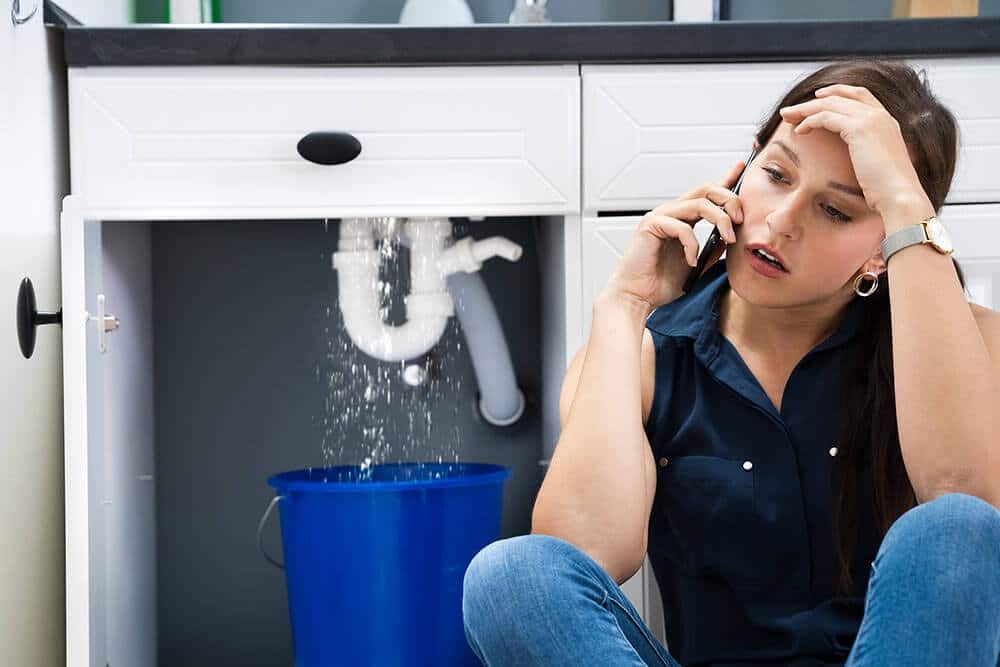
When a sewer backup occurs, quick action can minimize damage. The first step is to stop using all water fixtures in the home. Running water will only worsen the overflow. Next, shut off the main water supply if necessary to prevent further input into the system.
After ensuring safety, the affected area should be isolated. Move furniture, rugs, and belongings away from contaminated zones. Documenting the damage with photos may also be helpful for insurance purposes. At this stage, starting the sewer line cleanup process or contacting a professional service becomes critical depending on the severity of the backup.
Proper Sewer Line Cleanup Process
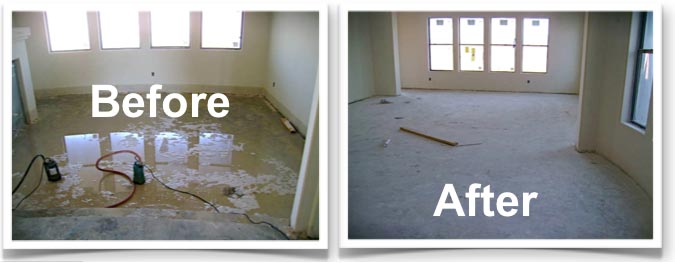
A thorough sewer line cleanup involves multiple steps to ensure that both visible waste and hidden contamination are fully addressed. The process begins with removing standing water using pumps or wet vacuums designed for hazardous waste.
Once the water is removed, all contaminated surfaces must be cleaned and disinfected. This includes floors, walls, and any objects that came into contact with sewage. Industrial-grade disinfectants are typically required to eliminate harmful pathogens effectively.
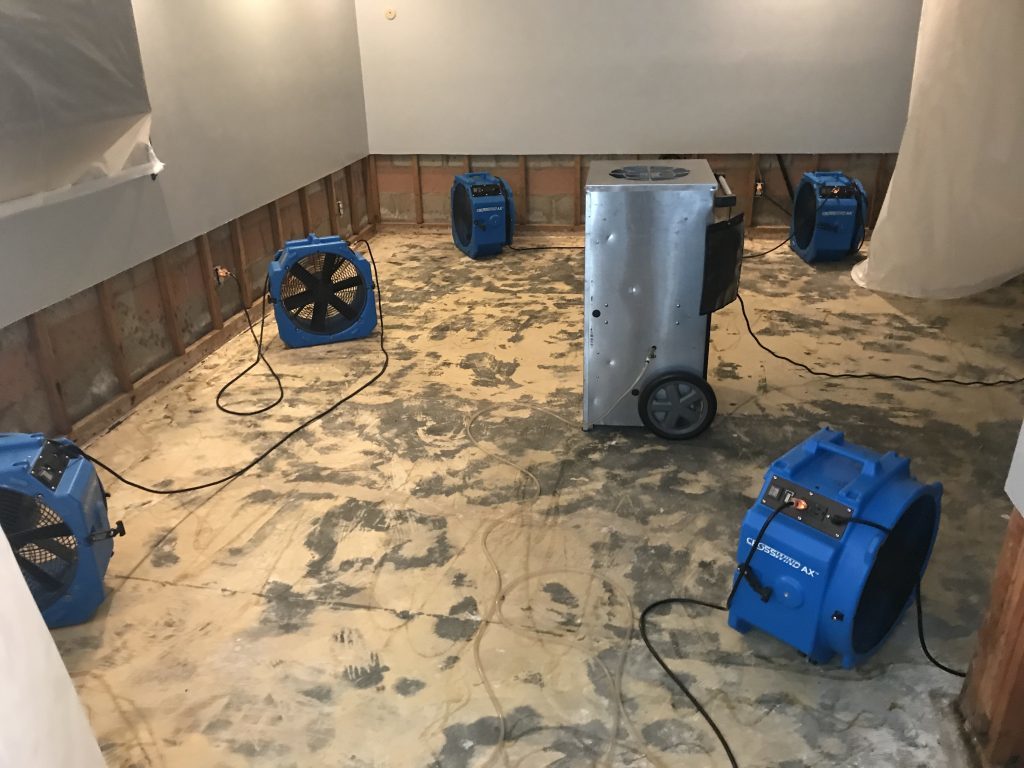
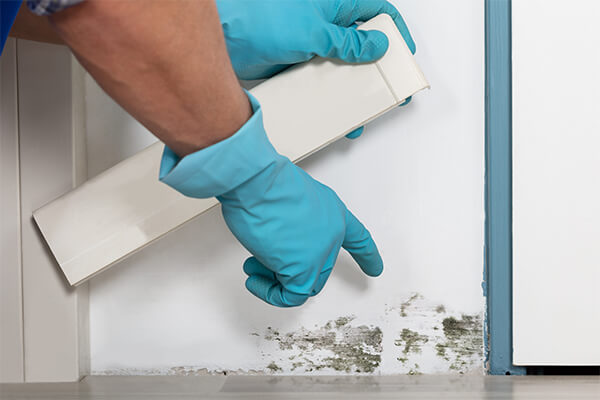
Drying the area completely is another essential step. Moisture left behind can lead to mold growth, which creates additional health risks and structural damage. Fans, dehumidifiers, and ventilation systems are commonly used to speed up drying during sewer line cleanup operations.
Inspecting and Clearing the Sewer Line
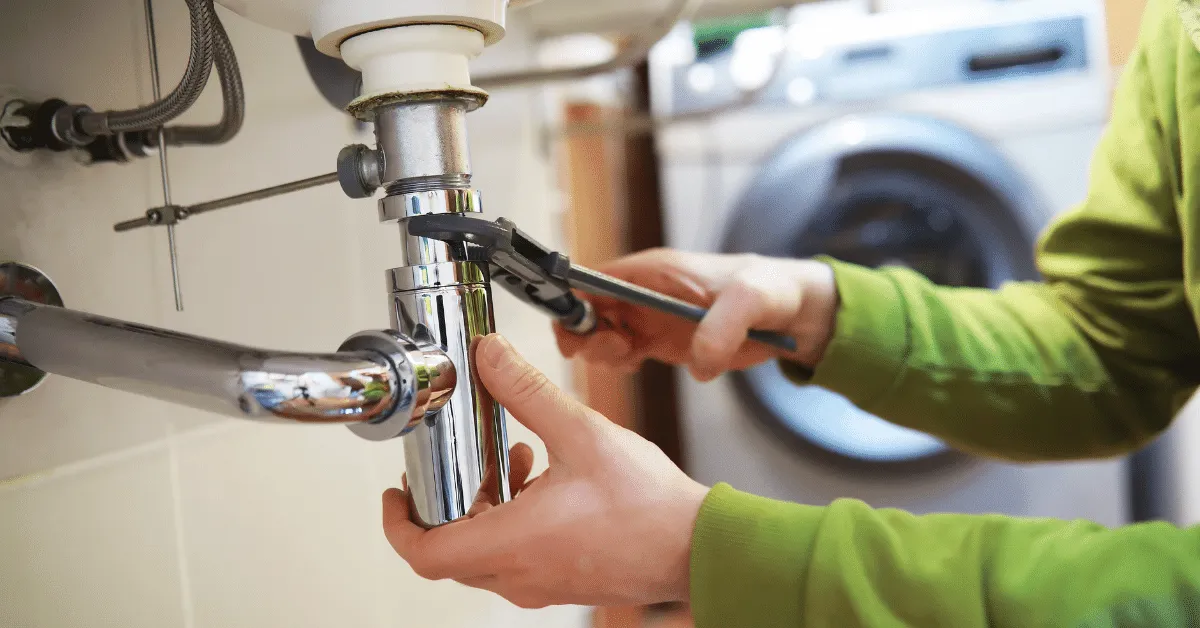
Cleaning the affected indoor area is only part of the solution. The actual sewer line must also be inspected and cleared to prevent future backups. Professional plumbers often use camera inspection tools to identify blockages, cracks, or root intrusion within the pipeline.
Hydro jetting is a widely used method for clearing blockages. It involves using high-pressure water streams to remove debris, grease, and buildup inside the pipes. In more severe cases, pipe repair or replacement may be required if the damage is structural.
Proper sewer line cleanup always includes addressing the root cause of the problem, not just the symptoms. Without fixing the underlying issue, backups are likely to recur.
DIY Sewer Line Cleanup vs Professional Services
Some minor sewer backup situations may be handled by homeowners, but most cases require professional assistance. DIY sewer line cleanup is generally limited to small spills or surface-level contamination where no major plumbing damage exists.
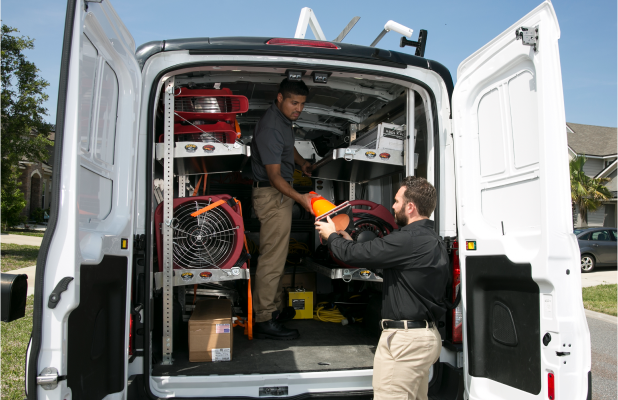
Professional cleanup services offer specialized equipment, safety training, and industrial disinfectants that ensure thorough sanitation. They also have the expertise to diagnose sewer line problems accurately and perform necessary repairs.
Attempting to handle severe backups without experience can result in incomplete cleaning, ongoing odor issues, or exposure to dangerous contaminants. For this reason, professional sewer line cleanup is often the safest and most effective choice.
Preventing Future Sewer Line Backups
Prevention is an important part of managing sewer system health. Regular maintenance and mindful usage can significantly reduce the risk of future backups.
One of the most effective prevention methods is scheduling routine sewer inspections. These inspections can detect early signs of blockage or pipe deterioration before they turn into major issues. Periodic sewer line cleanup and maintenance also help keep pipes free from buildup.
Homeowners should avoid flushing items like wipes, sanitary products, grease, and food waste. Installing drain strainers and grease traps can further reduce the risk of blockages.
Tree root management is another critical factor. If trees are located near sewer lines, root barriers or regular root cutting services may be necessary to prevent intrusion.
Long-Term Maintenance for a Healthy Sewer System
Maintaining a healthy sewer system requires consistent attention. Annual or semi-annual inspections, combined with preventive sewer line cleanup, can extend the lifespan of your plumbing system significantly.
It is also beneficial to monitor water usage patterns. Sudden changes in drainage speed, unusual odors, or gurgling sounds may indicate early warning signs of a developing blockage. Addressing these issues early prevents costly repairs later.
Upgrading older pipes to modern materials such as PVC can also improve system reliability. Older clay or metal pipes are more prone to corrosion and cracking, making them vulnerable to backups.
Final Thoughts on Sewer Line Cleanup
Dealing with a sewer backup can be stressful, but understanding the proper steps makes the process more manageable. From immediate safety precautions to thorough cleaning and professional inspection, every stage of sewer line cleanup plays a crucial role in restoring a safe and functional home environment.