Hoarder house AC installation in neglected homes is a highly specialized process that requires careful planning, safety precautions, and step-by-step execution. Unlike standard residential cooling system setups, these environments present unique challenges such as blocked airflow, structural hazards, poor sanitation, and hidden electrical risks. A proper Hoarder house AC installation must prioritize safety, air quality improvement, and long-term system efficiency rather than speed alone.
Initial Assessment and Safety Evaluation
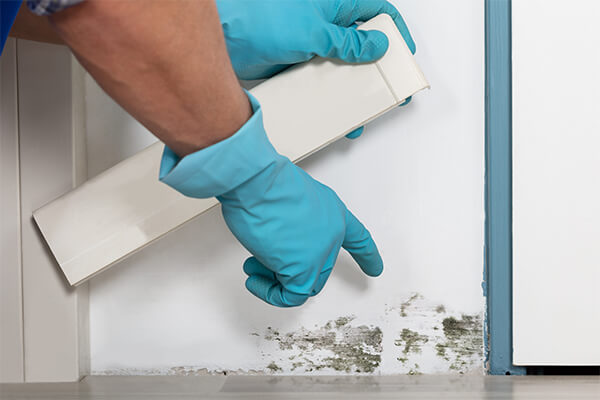
The first step in any Hoarder house AC installation is a thorough on-site assessment. Technicians must evaluate the severity of clutter, identify hazardous materials, and check whether the structure is safe to enter. In many neglected homes, there may be mold growth, pest infestation, or unstable piles of stored items that block essential access points.
During this stage, professionals also determine the best possible location for indoor and outdoor AC units. Ventilation routes, window accessibility, and load-bearing walls are carefully inspected. Without this evaluation, a Hoarder house AC installation can become unsafe and inefficient from the beginning.
Clearance and Preparation of Space
Before any equipment is brought inside, partial or full clearance is required. This does not always mean complete cleaning of the home, but it does involve creating safe working pathways. In Hoarder house AC installation projects, technicians often collaborate with cleaning teams to remove debris from key installation zones.
Space preparation includes clearing access to walls, ceilings, and electrical panels. It also involves creating temporary zones where installation tools and AC units can be safely placed. This step is critical because blocked movement paths can delay the entire Hoarder house AC installation process and increase risk of injury or damage.
Electrical and Structural Inspection
A neglected home often has outdated or overloaded electrical systems. Therefore, electrical inspection is a crucial phase in Hoarder house AC installation. Electricians check circuit capacity, wiring conditions, and grounding systems to ensure they can support the new AC unit.
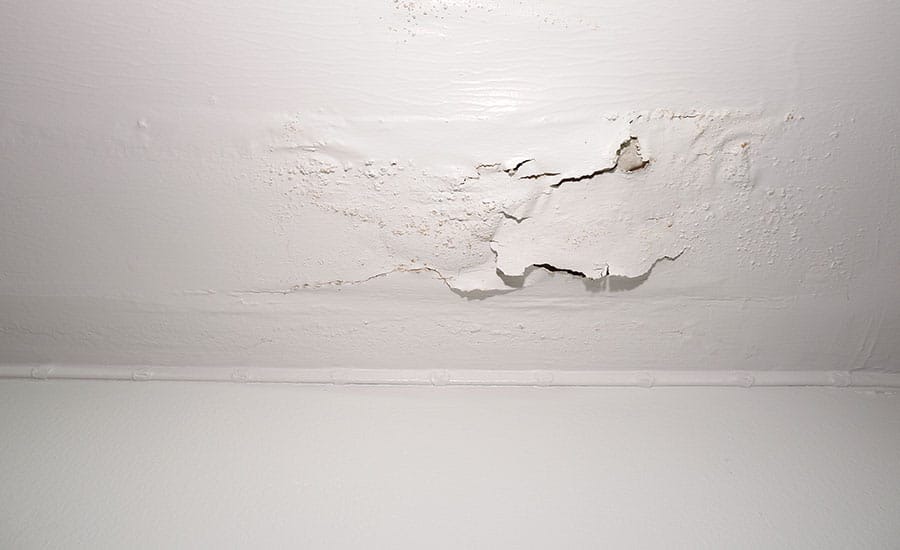
Structural inspection is equally important. Walls must be strong enough to hold indoor AC units, and external areas must support compressors. Any signs of water damage, cracks, or weak structures must be addressed before continuing. Ignoring these issues during Hoarder house AC installation can lead to system failure or safety hazards later.
Selecting Right AC System for Hoarder House
Choosing the right air conditioning system is a key decision in Hoarder house AC installation projects. Since these homes often have poor airflow and uneven room conditions, standard systems may not perform efficiently.
Technicians usually recommend high-efficiency split AC systems or multi-zone units that can handle irregular room layouts. In some cases, portable or ductless systems are preferred because they require less invasive installation. The goal of Hoarder house AC installation is not only cooling but also improving overall indoor air circulation in difficult environments.
Installation Process Step by Step
Once the preparation is complete, the physical installation begins. In Hoarder house AC installation, the indoor unit is typically mounted first in a cleared and structurally stable area. Proper height and positioning are important to ensure maximum airflow distribution.
Next, technicians drill wall openings for piping and drainage lines. This step must be done carefully, especially in homes with weak or cluttered structures. The outdoor condenser unit is then installed in a stable exterior location with proper ventilation clearance.
Refrigerant lines, drainage pipes, and electrical wiring are connected systematically. Each connection is tested for leaks and insulation quality. A properly executed Hoarder house AC installation ensures that all components work together without strain on the system.
Ductwork and Ventilation Considerations
In larger or partially renovated neglected homes, ductwork may be required. However, Hoarder house AC installation often involves working around blocked or outdated ventilation systems. In such cases, technicians may clean existing ducts or install new mini-duct systems to improve airflow.
Proper ventilation is critical because hoarder environments often trap stale air, dust, and odors. Without addressing this issue, even a newly installed AC system will not perform efficiently. Therefore, ventilation improvement is a core part of any successful Hoarder house AC installation.
Post Installation Cleaning and Air Quality Treatment
After installation, cleanup is not just about removing construction debris. It also involves improving indoor air quality. Hoarder house AC installation projects often include air purification treatments such as HEPA filtration or mold-resistant cleaning.
Technicians ensure that dust particles from installation do not remain trapped inside the system. Filters are installed or upgraded to handle high levels of airborne contaminants. This step is essential because neglected homes typically have higher-than-average pollutant levels that can affect system performance and occupant health.
Testing and Optimization
Once the system is installed and cleaned, full testing begins. In Hoarder house AC installation, technicians check cooling performance, airflow balance, thermostat accuracy, and energy consumption levels.
They also monitor how the system performs under real conditions inside the cluttered environment. Adjustments are made to improve airflow direction and cooling efficiency. Optimization ensures that the Hoarder house AC installation delivers consistent comfort even in challenging indoor conditions.
Maintenance Challenges and Long-Term Considerations
Maintenance is one of the most important aspects after Hoarder house AC installation. Neglected homes tend to accumulate dust and debris faster than normal environments, which can affect filters and internal components.
Regular servicing schedules must be established to prevent system breakdowns. Filters should be cleaned or replaced frequently, and ducts should be inspected for blockages. Without proper maintenance, even a high-quality Hoarder house AC installation can lose efficiency over time.
Technicians also advise homeowners or property managers to gradually improve cleanliness in the living space. As clutter reduces, the AC system performs more efficiently and lasts longer.
Conclusion
Hoarder house AC installation in neglected homes is a complex, multi-stage process that requires technical expertise, safety awareness, and environmental adaptation. From initial assessment to final testing, every step plays a crucial role in ensuring system efficiency and occupant safety.
Unlike standard installations, Hoarder house AC installation must address structural risks, airflow challenges, and air quality issues simultaneously. When done correctly, it transforms a difficult living environment into a more comfortable, breathable, and manageable space.