
Understanding the Importance of Removing Old Insulation
Insulation plays a major role in maintaining indoor comfort, controlling energy usage, and protecting the overall performance of a building. Over time, however, insulation materials can become damaged, outdated, contaminated, or ineffective. When insulation no longer performs properly, it can negatively impact indoor air quality, increase energy costs, and reduce the efficiency of heating and cooling systems. Professional Insulation Removal in Denver services help property owners address these problems by safely eliminating old materials and preparing buildings for improved insulation solutions.
Denver properties experience changing weather conditions throughout the year, including cold winters, hot summers, and seasonal temperature fluctuations. These conditions place continuous pressure on insulation systems. When existing insulation becomes compressed, wet, moldy, or affected by pests, it loses its ability to regulate indoor temperatures effectively. Removing damaged insulation allows homeowners and commercial property owners to restore building efficiency while creating a cleaner and healthier indoor environment.
How Old Insulation Affects Indoor Air Quality
One of the biggest reasons property owners consider insulation replacement is the effect old insulation can have on indoor air quality. Aging insulation can collect dust, allergens, mold spores, and other airborne contaminants. These pollutants may circulate throughout a building through air movement, ventilation systems, or small gaps in walls and ceilings.
Poor-quality insulation can become a hidden source of indoor air problems. Fiberglass insulation, cellulose insulation, and other materials may deteriorate over time, releasing particles into the surrounding air. If insulation has been exposed to moisture, it may also create conditions that encourage mold growth. Mold and moisture-related issues can contribute to unpleasant odors and reduced indoor comfort.
Choosing professional Insulation Removal in Denver helps eliminate these potential sources of contamination. Experienced insulation specialists use proper equipment and removal techniques to safely extract old insulation without spreading debris throughout the property. After removal, the space can be cleaned, inspected, and prepared for new insulation materials designed to support healthier indoor conditions.
Improving Energy Efficiency Through Insulation Replacement
Old insulation can significantly reduce a building’s ability to maintain consistent temperatures. When insulation becomes worn out or loses its effectiveness, heating and cooling systems must work harder to compensate for energy loss. This increased workload often results in higher utility bills and reduced HVAC efficiency.
Removing outdated insulation provides an opportunity to upgrade the building’s thermal protection. New insulation materials can help prevent heat from escaping during Denver’s colder months and reduce heat transfer during warmer seasons. This creates a more stable indoor environment and reduces the amount of energy needed for temperature control.
A properly insulated building also experiences fewer drafts and temperature inconsistencies. Rooms become more comfortable because conditioned air remains inside for longer periods. By investing in Insulation Removal in Denver, property owners can improve energy performance and create a more efficient structure that supports long-term savings.
Signs That Your Property Needs Insulation Removal
Many property owners are unsure when insulation removal is necessary. Several warning signs can indicate that existing insulation is no longer performing as it should. Uneven indoor temperatures, rising energy expenses, musty odors, visible moisture problems, and increased allergy symptoms may all suggest insulation issues.
Older properties may also contain insulation materials that do not meet modern energy efficiency standards. Over several decades, insulation technology has improved significantly, offering better performance and durability. Replacing outdated insulation can help buildings achieve improved comfort and efficiency.
Pest infestations are another common reason for insulation removal. Rodents and insects can damage insulation by nesting, leaving waste, and creating contamination risks. In these situations, removing affected insulation is often necessary before installing new materials.
The Process of Professional Insulation Removal
Professional insulation removal involves more than simply taking out old materials. A qualified team begins by evaluating the condition of the existing insulation and identifying possible problems such as moisture damage, pest activity, or mold concerns. This assessment helps determine the safest and most effective removal approach.
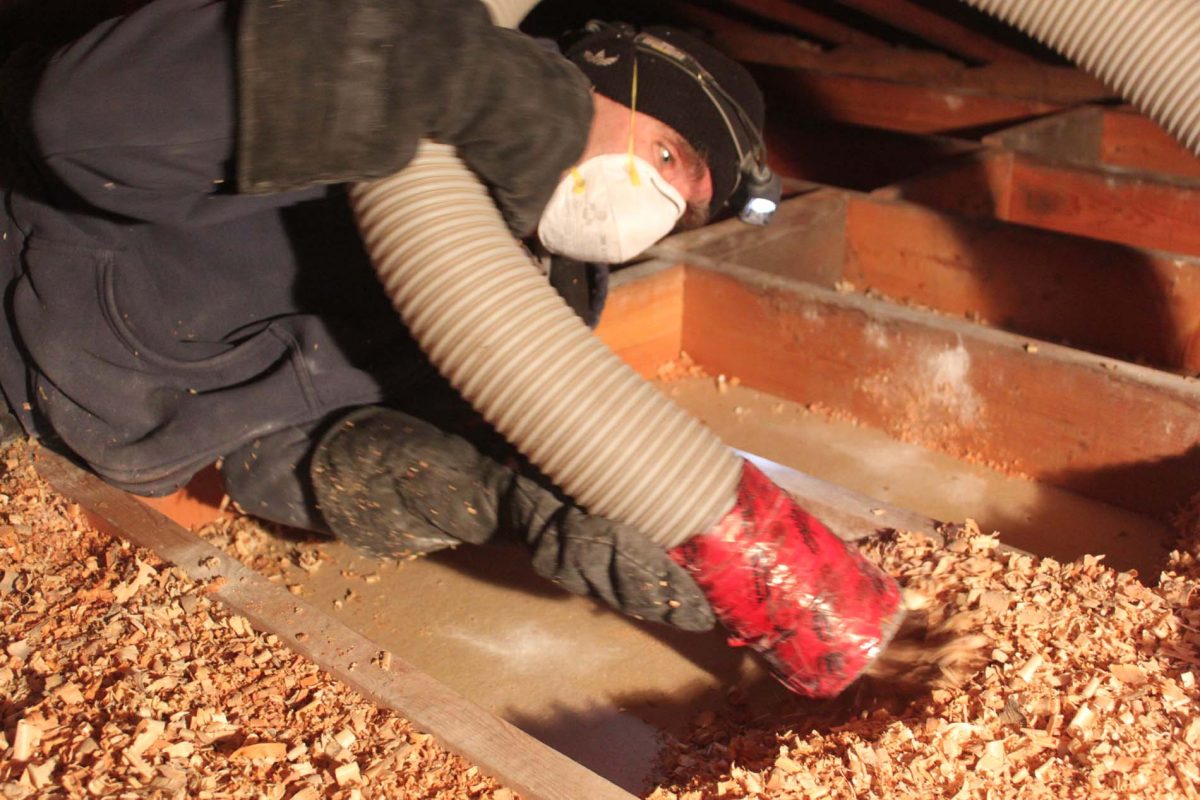
During the removal process, specialists use protective equipment and specialized tools to minimize dust and debris. Proper containment methods help prevent contaminants from spreading to other areas of the property. After the old insulation has been removed, the area is typically cleaned and inspected to ensure it is ready for new insulation installation.
A professional approach to Insulation Removal in Denver ensures that the process is completed safely and efficiently. Attempting insulation removal without proper knowledge or equipment can expose occupants to unwanted particles and create unnecessary cleanup challenges.
Benefits of Installing New Insulation After Removal
Once old insulation has been removed, installing new insulation can provide several important advantages. Modern insulation products are designed to deliver improved thermal resistance, better moisture control, and enhanced durability. These improvements help buildings maintain comfortable temperatures while reducing energy waste.
New insulation can also contribute to better indoor air quality. Fresh materials that are properly installed are less likely to contain accumulated dust, allergens, or contaminants commonly found in older insulation systems. This creates a cleaner environment for residents, employees, and visitors.
Additionally, upgraded insulation can increase property value. Energy-efficient buildings are increasingly attractive because they offer lower operating costs and improved comfort. Whether for residential homes, offices, or commercial facilities, replacing outdated insulation is an investment in long-term building performance.
Why Professional Insulation Removal Services Matter in Denver
Denver’s unique climate requires insulation systems that can handle extreme temperature changes and seasonal demands. Professional insulation contractors understand local building conditions and can recommend solutions that match the needs of each property.
Working with experienced professionals ensures that old insulation is removed correctly and that new materials are installed according to industry standards. Proper installation helps maximize insulation performance and prevents future problems related to air leakage, moisture, and energy loss.
Reliable Insulation Removal in Denver services provide property owners with a complete solution for improving indoor comfort, protecting building structures, and supporting better energy efficiency. By replacing outdated insulation, buildings can achieve improved air quality, stronger performance, and a healthier indoor environment.
Creating a Healthier and More Efficient Building Environment
Insulation is a critical component of any building, but its effectiveness depends on its condition and quality. Old, damaged, or contaminated insulation can reduce comfort, increase energy expenses, and negatively affect indoor air conditions. Removing and replacing these materials allows properties to benefit from modern insulation technology and improved performance.
For homeowners and businesses in Denver, professional Insulation Removal in Denver is an important step toward creating cleaner air, better energy efficiency, and a more comfortable living or working space. Upgrading insulation not only improves daily comfort but also supports the long-term health and efficiency of the entire building.
