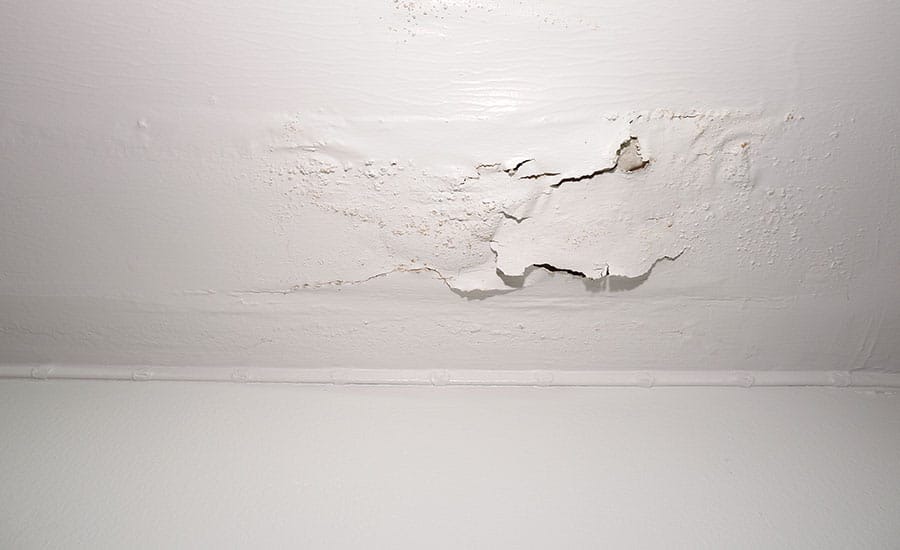
Water damage is one of the most common and costly issues homeowners face. Whether caused by leaking pipes, poor drainage, or extreme weather, water damage can weaken your home’s structure, ruin belongings, and lead to mold growth. The good news is that most cases of water damage are preventable with proper maintenance, awareness, and timely action. In this article, you’ll learn practical strategies to protect your home and avoid expensive repairs.
Understanding the Causes of Water Damage
Before you can prevent water damage, it’s important to understand what causes it. Water can enter your home in various ways, often silently and gradually.
Plumbing Failures
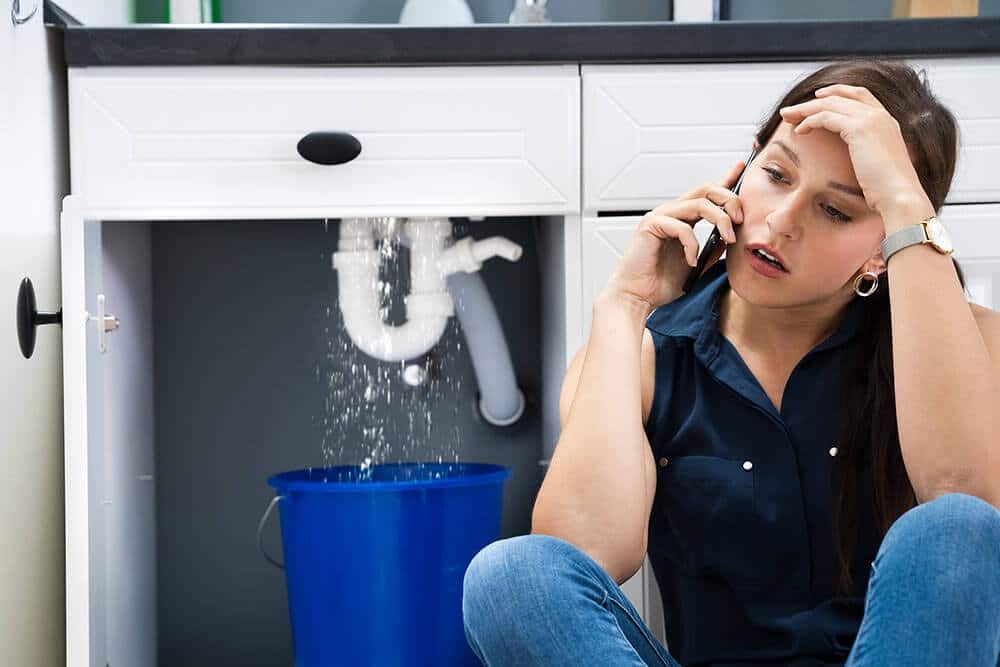
Leaky pipes, burst hoses, and faulty fixtures are major contributors to water damage. Over time, even a small leak can cause significant structural issues.
Poor Drainage Systems
Clogged gutters and downspouts can cause water to pool around your home’s foundation, eventually seeping inside.
Roof Leaks
Damaged shingles or worn-out flashing can allow rainwater to penetrate your roof, leading to water damage in ceilings and walls.
Weather-Related Issues
Heavy rain, flooding, and storms can overwhelm your home’s defenses, especially if preventive measures aren’t in place.
Regular Home Maintenance
Consistent maintenance is one of the most effective ways to prevent water damage. Small efforts can make a big difference in protecting your property.
Inspect Plumbing Systems
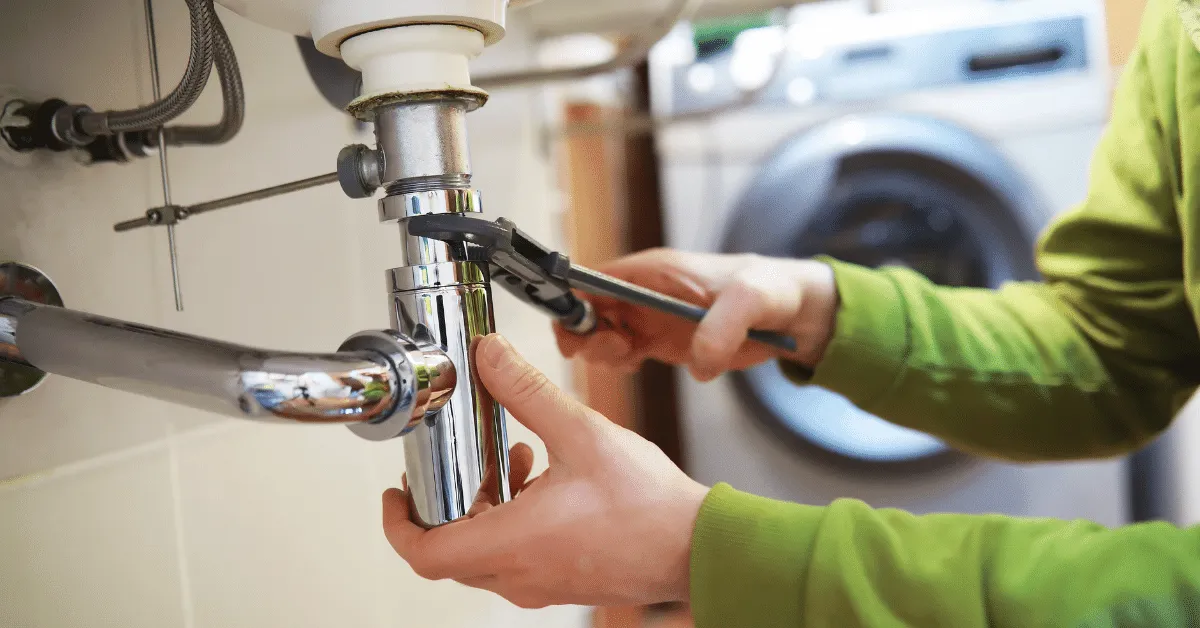
Check for leaks under sinks, around toilets, and behind appliances like washing machines. Replace worn-out hoses and tighten loose connections.
Maintain Your Roof
Inspect your roof at least twice a year. Look for missing shingles, cracks, or signs of wear. Prompt repairs can stop water damage before it starts.
Clean Gutters and Downspouts
Ensure gutters are free of leaves and debris. Properly functioning gutters direct water away from your home, reducing the risk of water damage.
Seal Windows and Doors
Gaps around windows and doors can allow water to seep in during rainstorms. Use weatherstripping or caulking to seal any openings.
Protecting Your Home’s Foundation
Your foundation is especially vulnerable to water damage if not properly protected.
Ensure Proper Grading
The ground around your home should slope away from the foundation. This prevents water from collecting and seeping inside.
Install a Sump Pump
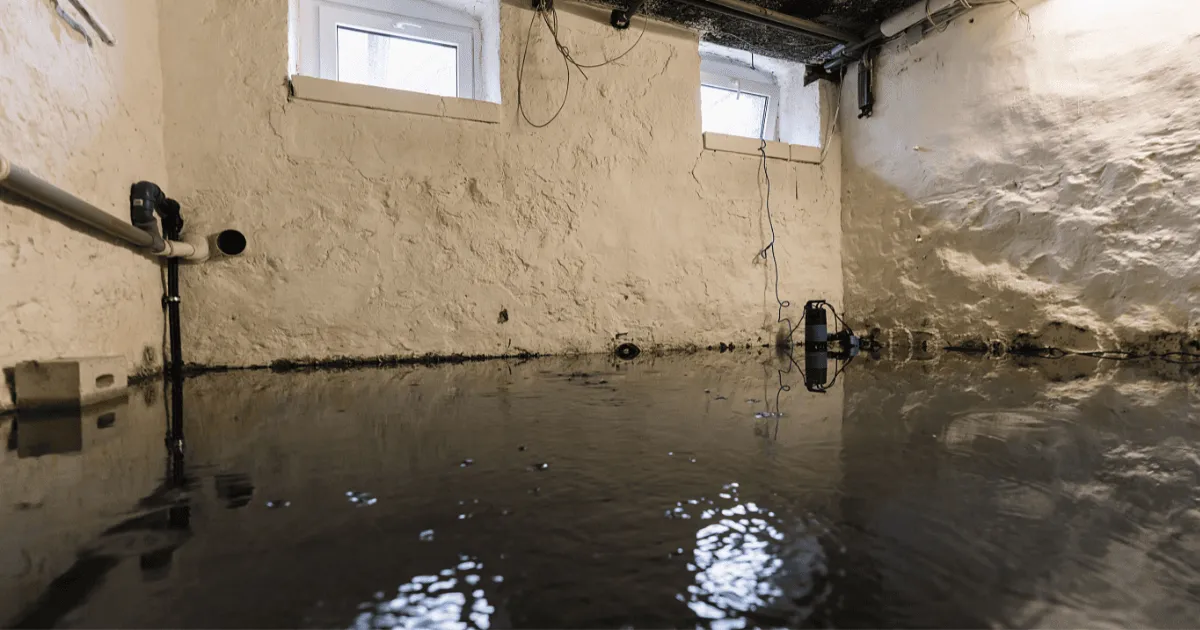
A sump pump can be a lifesaver in areas prone to flooding. It removes excess water from basements and crawl spaces.
Waterproof Your Basement
Applying waterproof coatings to basement walls can help prevent moisture intrusion and reduce the risk of water damage.
Smart Use of Appliances
Household appliances are often overlooked when it comes to preventing water damage.
Monitor Washing Machines and Dishwashers
Check hoses regularly for cracks or bulges. Replace them every few years to avoid unexpected leaks.
Avoid Overloading Appliances
Overloading washing machines or dishwashers can lead to malfunctions and leaks, increasing the risk of water damage.
Install Leak Detectors
Modern leak detectors can alert you to water leaks early, helping you take action before serious water damage occurs.
Preparing for Extreme Weather
Weather can be unpredictable, but preparation can significantly reduce the risk of water damage.
Reinforce Your Roof and Windows
Storm-proof your home by securing loose shingles and installing storm windows if necessary.
Use Sandbags When Needed
If you live in a flood-prone area, sandbags can help divert water away from your home during heavy rainfall.
Keep Emergency Supplies Ready
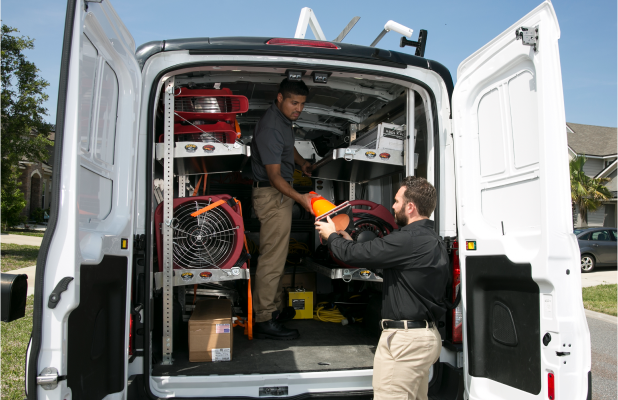
Having pumps, tarps, and basic tools on hand can help you respond quickly to potential water damage.
Managing Indoor Humidity
Excess moisture inside your home can also lead to water damage and mold growth.
Use Dehumidifiers
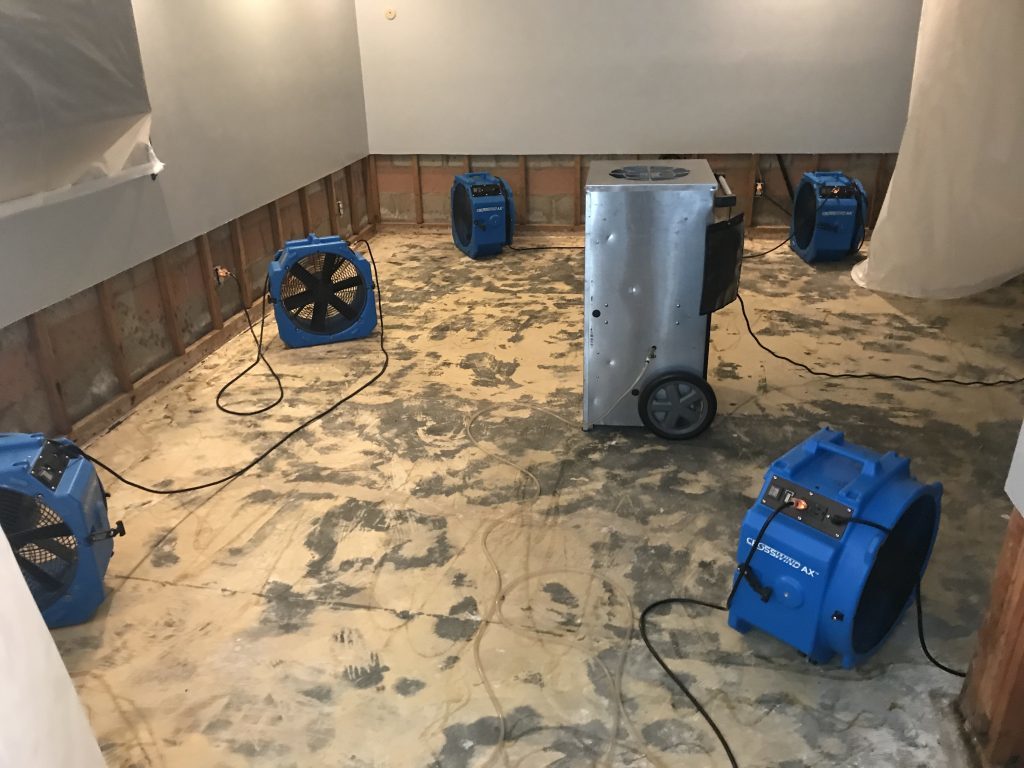
In humid climates, dehumidifiers help control moisture levels and protect your home.
Ventilate Properly
Ensure kitchens, bathrooms, and laundry areas are well-ventilated. Exhaust fans can reduce moisture buildup.
Fix Condensation Issues
Condensation on windows or pipes can indicate high humidity levels. Addressing this early can prevent water damage.
Landscaping for Water Control
Your yard plays a crucial role in preventing water damage.
Choose the Right Plants
Plants that absorb excess water can help control moisture levels around your home.
Install Drainage Systems
French drains or other drainage solutions can redirect water away from your property.
Keep Trees in Check
Tree roots can interfere with underground pipes, leading to leaks and water damage. Regular trimming and monitoring are essential.
Early Detection and Quick Action
Even with the best prevention strategies, issues can still arise. Early detection is key to minimizing water damage.
Watch for Warning Signs
Stains on walls or ceilings, musty odors, and peeling paint can all indicate hidden water damage.
Act Immediately
If you notice a leak, shut off the water supply and address the issue right away. Delaying repairs can worsen water damage significantly.
Call Professionals When Needed
For major issues, professional help may be necessary to properly repair and prevent further water damage.
Benefits of Preventing Water Damage
Taking proactive steps to prevent water damage offers several advantages.
Cost Savings
Preventing water damage is far less expensive than repairing it. Regular maintenance can save you thousands of dollars.
Health Protection
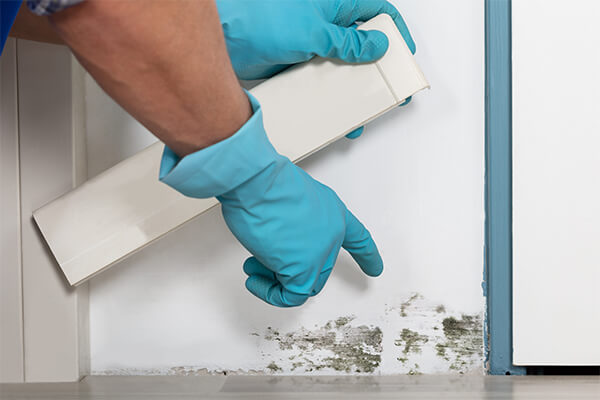
Water damage often leads to mold growth, which can cause respiratory problems and allergies. Prevention keeps your living environment safe.
Increased Property Value
A well-maintained home free from water damage is more attractive to buyers and retains its value over time.
Final Thoughts
Preventing water damage in your home requires a combination of awareness, regular maintenance, and smart planning. By addressing potential risks early and staying vigilant, you can protect your home from costly repairs and long-term issues. From maintaining your roof and plumbing to managing drainage and humidity, every step you take reduces the chances of water damage affecting your property. A proactive approach not only safeguards your investment but also ensures a safe and comfortable living environment for you and your family.