Mold testing is a critical process for identifying hidden mold issues in your home. Understanding what experts focus on during this testing can help you better prepare and ensure a thorough evaluation. Here are thirteen key factors that professionals assess.
1. Visible Mold Growth
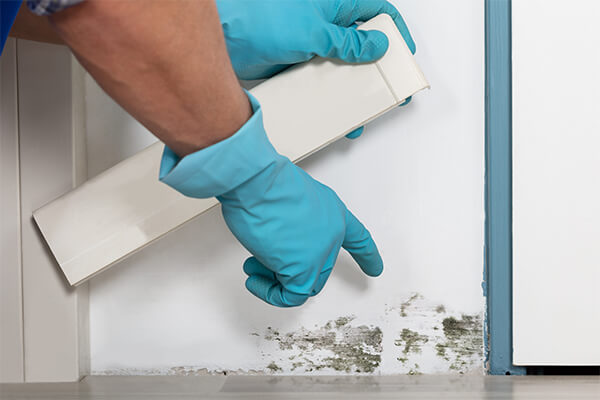
Initially, experts will look for visible mold growth in common areas, such as basements, attics, and behind appliances. The presence of mold is a clear indicator of moisture issues, and even small patches can signify a larger problem.
2. Moisture Levels
Professionals measure moisture levels in various materials, such as drywall, wood, and carpets. High moisture levels are conducive to mold growth, and using moisture meters helps experts identify areas that require further investigation.
3. Air Quality
Air samples are collected to evaluate the concentration of mold spores in the indoor environment. Comparing these samples to outdoor air levels helps determine whether the mold issue is significant. Poor indoor air quality can lead to health concerns, making this a vital assessment step.
4. Surface Sampling
In addition to air samples, experts may conduct surface sampling by swabbing suspected areas or using adhesive tape to capture mold spores. This testing helps identify the specific type of mold present and its potential health effects.
5. HVAC Systems
Mold can thrive in heating, ventilation, and mold inspection Los Angeles air conditioning (HVAC) systems. Experts inspect these systems for mold growth, as they can distribute spores throughout the home. Cleaning and testing your HVAC may be necessary to ensure it is not a hidden source of mold.
6. The Building’s History
Understanding the history of the building is crucial. Experts will inquire about past water damage, leaks, and any previous mold incidents. A comprehensive history helps assess the likelihood of mold recurrence and informs the testing process.
7. Humidity Levels
High humidity levels indicate an increased risk of mold growth. Experts will measure indoor humidity using hygrometers to ensure levels remain within a healthy range (typically between 30-50%). Persistent high humidity can suggest poor ventilation or ongoing moisture issues.
8. Structural Integrity
Mold can compromise the structural integrity of a home. Experts will assess affected areas, including walls and ceilings, for signs of weakening, such as warping or soft spots. Identifying structural damage early is crucial to prevent costly repairs.
9. Water Intrusion Sources
Professionals will investigate potential sources of water intrusion, such as cracks in foundations, broken pipes, or roof leaks. Identifying these causes is essential for not only removing existing mold but also preventing future growth.
10. Type of Mold
Different molds pose different health risks. Experts will focus on identifying the specific types of mold present in your home, as some molds can cause allergic reactions or respiratory issues. Knowing which mold is present will guide remediation strategies.
11. Infestation Levels
Experts will assess the extent of the mold infestation. This assessment helps determine the remediation plan and whether professional removal services are necessary. Large infestations can often require specialized treatments and equipment.
12. Building Materials
The types of materials in your home can influence mold growth. Experts will consider the materials used in construction, especially those prone to moisture retention, such as carpet or wood. This information is vital for developing more effective remediation strategies.
13. Ventilation Issues
Proper ventilation is essential for controlling indoor humidity and reducing mold risks. Experts will evaluate your home’s ventilation systems, including exhaust fans, windows, and airflow to identify improvements that can minimize mold growth.
Conclusion
Mold testing is a comprehensive process that requires expert analysis. By understanding the factors professionals focus on, homeowners can take proactive steps to minimize mold risks and ensure a healthy living environment. If you suspect mold in your home, reaching out to professionals for thorough testing is a crucial first step in addressing the problem effectively.